
Are you struggling to choose between Google and Facebook for your Medicare advertising? You're not alone. Most insurance agents face this challenge every day.
The reality is that Medicare marketing has evolved beyond traditional methods. Digital advertising platforms have become essential channels for reaching Medicare-eligible audiences. But here's the thing: the wrong choice can drain your marketing budget fast.
This guide breaks down the key differences between these Medicare advertising platforms. You'll discover which platform delivers better ROI for your specific goals. Plus, you'll learn proven strategies that successful agents use on each platform.
By the end, you'll know exactly where to focus your Medicare marketing efforts for maximum results.
Table of Contents
The fundamental difference between these Medicare advertising platforms lies in user intent. Google captures high-intent users actively searching for Medicare solutions. Facebook excels at building awareness and nurturing prospects who aren't yet in active shopping mode.
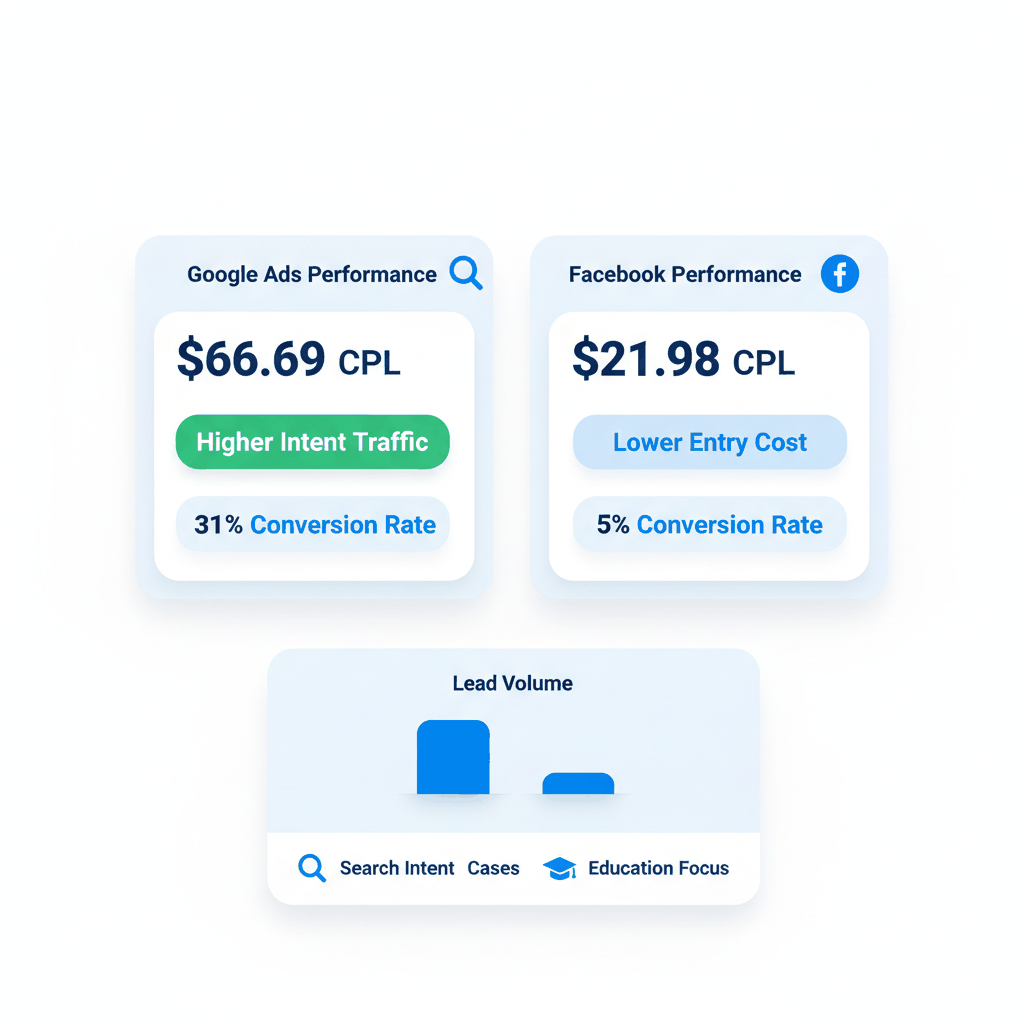
Google Ads offers unparalleled access to leads actively searching for Medicare solutions. When someone searches "Medicare plans near me," they have clear intent. They need help right now.
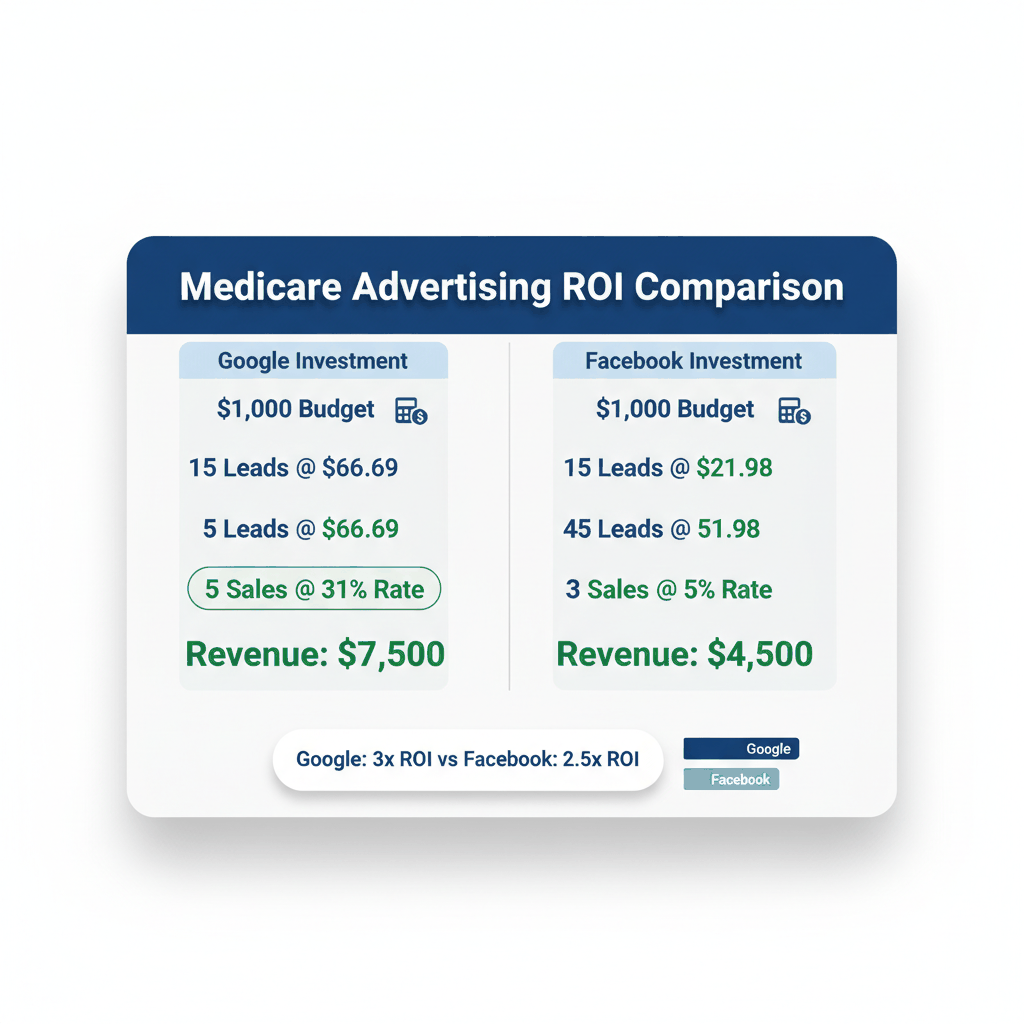
Facebook works differently. Research shows much higher conversion rates from Google search ads compared to social platforms. Google PPC ads typically convert 31 out of 100 new prospects. Social platforms often see less than 5 conversions from the same number of leads.
Here's what this means for your Medicare marketing:
Google captures existing demand from active searchers
Facebook generates new demand through targeted messaging
Google leads need less nurturing time
Facebook leads require more trust-building efforts
Google costs more per click but converts faster
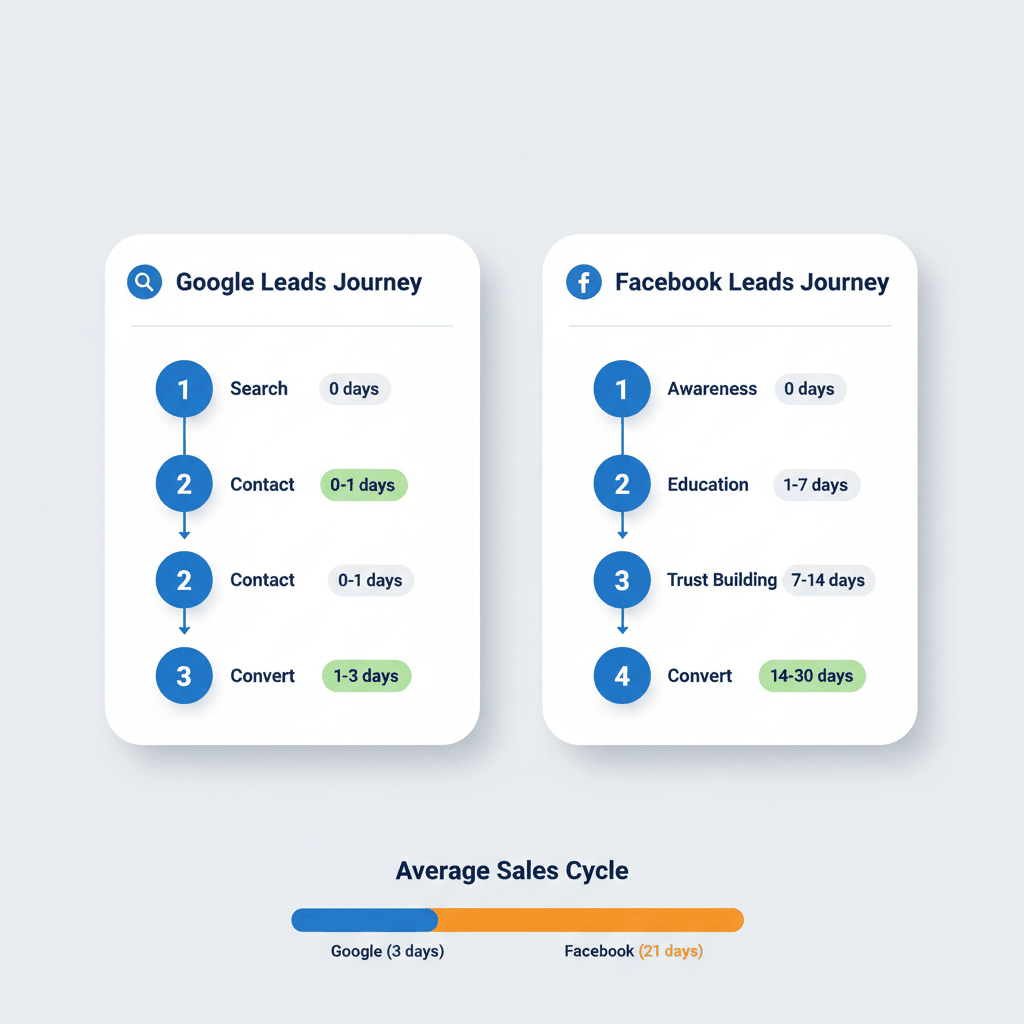
Facebook offers lower costs but longer sales cycles
Of those 65 years and older who were surveyed, 50 percent use Facebook. Meanwhile, over 240 million Americans use Facebook. About 20% are in the key Medicare age group.
That's still a massive audience when you know how to reach them effectively. The key is understanding how each platform's users behave differently.
Medicare advertising faces new challenges in 2025. Understanding these obstacles helps you plan better campaigns on both platforms.
Meta classified all insurance advertisements under a Special Ads Category in 2024. This change affects every Medicare marketing campaign on the platform. This has significantly limited targeting capabilities for Medicare marketers on Facebook.
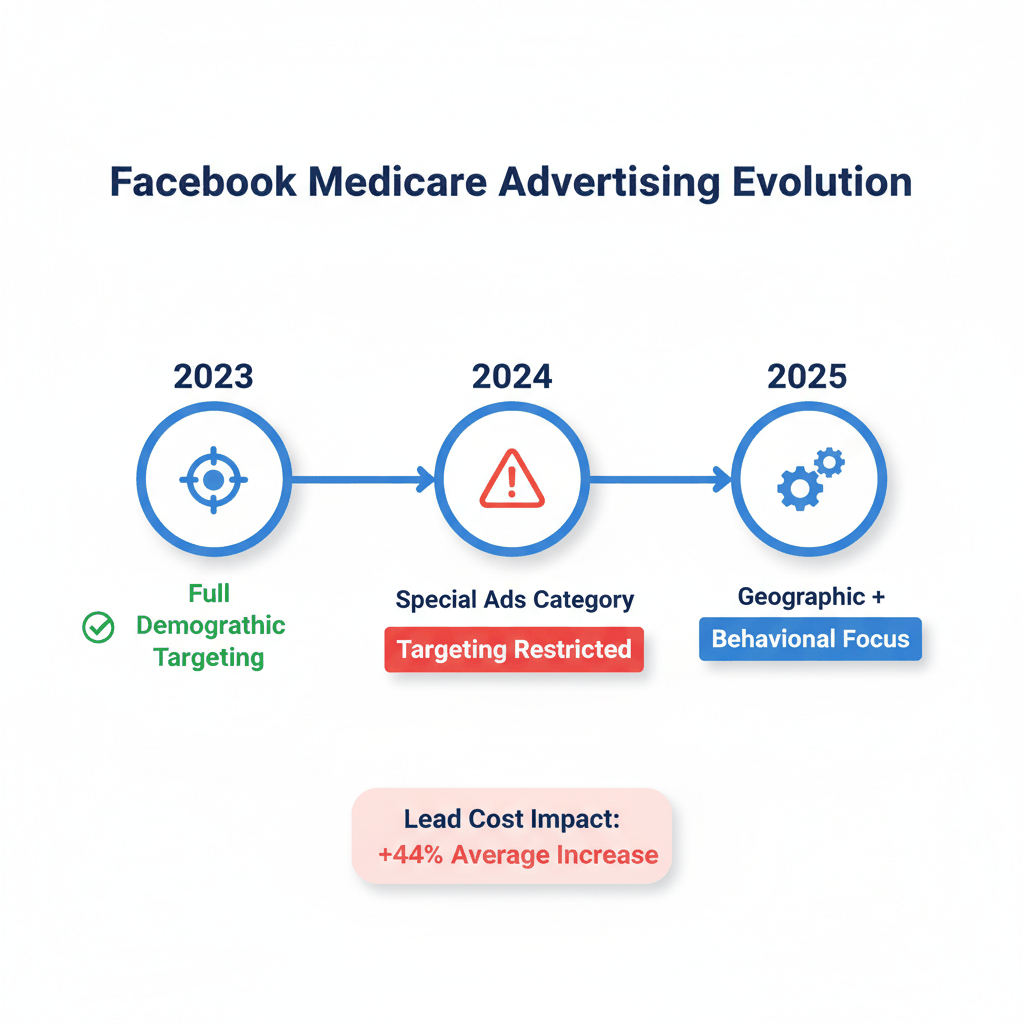
Many agents report declining performance since these changes. Lead costs have increased significantly. Without precise targeting, you're paying to reach people who don't need Medicare services.
This drives up your cost per lead and reduces return on investment. You need new strategies to work within these restrictions.
Medicare Consult Campaigns can work initially but are typically less consistent long-term due to trust barriers. Facebook leads need more nurturing than search leads. They didn't actively seek you out.
Build trust through consistent, helpful communication. Focus on education over direct sales pitches.
CMS Medicare marketing compliance gets stricter every year. The 2024 changes affect all marketing communications starting September 30, 2023. Your Medicare advertising platforms must follow these guidelines to avoid penalties.
Never imply government endorsement in your ads. Avoid using official government logos or colors that suggest federal approval. These violations can result in immediate compliance issues.
Google Ads excels at capturing high-intent Medicare prospects. Your success depends on targeting the right keywords and optimizing for conversions.
Keywords like "Medicare plans near me" or "Medicare Advantage plans in [City]" attract high-intent prospects. These searchers need immediate help with their Medicare decisions.
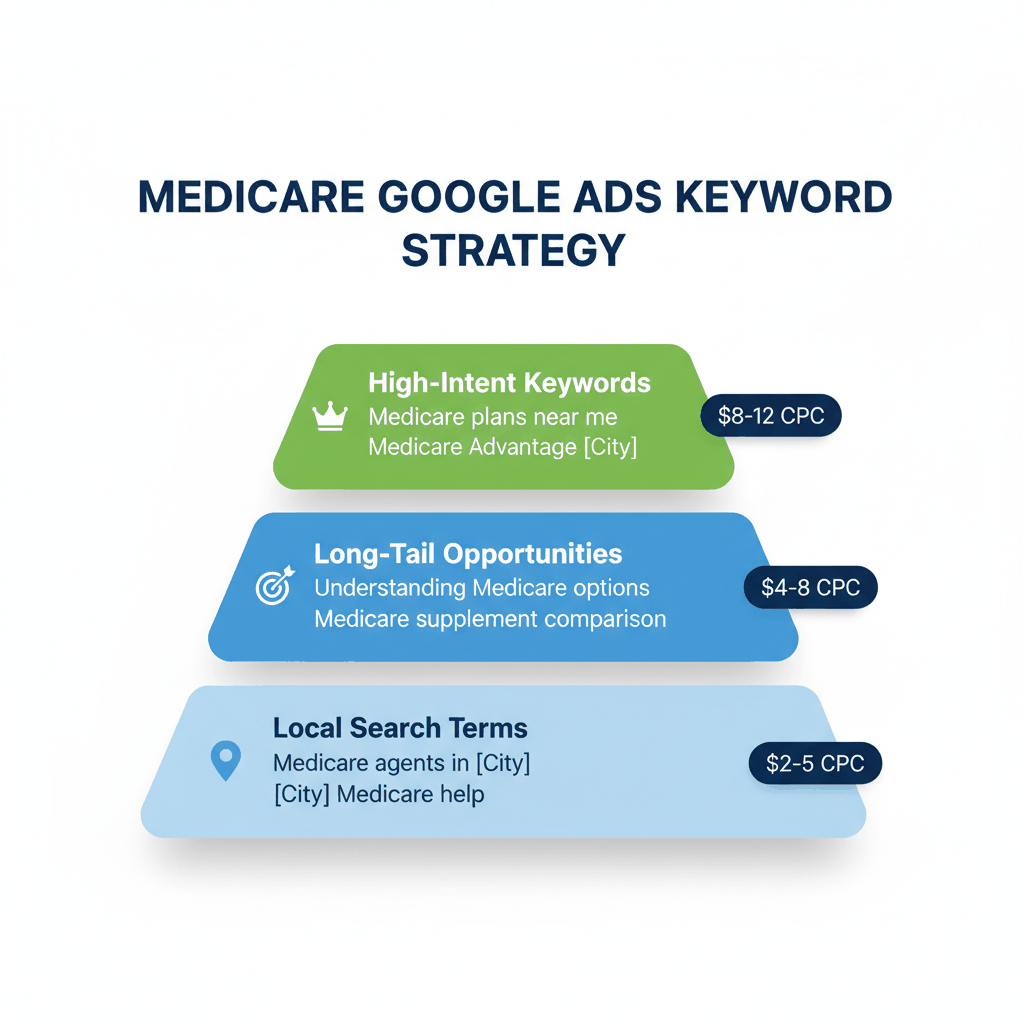
Focus on long-tail keywords with lower competition. Target phrases like "Understanding Medicare Advantage in [City]." These keywords often cost less while attracting qualified prospects.
Use professional medicare lead generation services to supplement your keyword research. Expert teams can identify opportunities you might miss.
Since CPC is high, every click must count. Landing pages should include clear CTAs and trust-building elements like testimonials or certifications.
Your landing page needs to match the search intent perfectly. If someone searches "Medicare Advantage plans," don't send them to a general Medicare page. Create specific pages for each keyword group.
Include these elements on every Medicare Google ads landing page:
Clear headline matching the search query
Simple contact form above the fold
Local phone number prominently displayed
Client testimonials or success stories
Professional certifications and licenses
Clear next steps after form submission
Implement local search engine optimization to rank for "Medicare agents near me" and other high-intent search terms. Optimize landing pages, claim your Google Business Profile, and collect positive client reviews to build local authority.
Local Medicare Google ads perform better when combined with strong organic search presence. This creates trust and increases overall visibility in your market.
Medicare Facebook advertising requires different strategies than Google. Focus on education, trust-building, and geographic targeting within the new restrictions.
Seminar invitations consistently provide the most reliable and scalable results. Adding a free meal to your seminar offer can significantly increase attendance and improve the cost-effectiveness of your campaign.
Educational seminars work because they position you as a trusted expert. People attend to learn, not to be sold. This reduces resistance and builds relationships naturally.
Structure your seminar ads this way:
Lead with the educational benefit
Mention the free meal clearly
Include date, time, and location
Use warm, friendly imagery of seniors
Add social proof like "50+ people attended last month"
Focus on geographic and behavioral signals that indicate Medicare interest. Start with ZIP code targeting in areas you can service. Choose locations with higher senior populations.
Use the 15-mile minimum radius requirement strategically. Target areas around senior centers, retirement communities, and healthcare facilities.
First-party data becomes crucial for effective targeting. Upload your email lists to create custom audiences. These prospects already know your brand. They're more likely to engage with your Medicare Facebook campaigns.
Successful Medicare agent Facebook ads focus on education over direct sales. Instead of "Get a free quote," try "Learn about Medicare options in your area." This approach builds trust while staying compliant with advertising restrictions.
Create content that addresses common Medicare questions:
"When should I sign up for Medicare?"
"What's the difference between Medicare Advantage and Supplement?"
"How do I avoid Medicare penalties?"
"Can I keep my current doctor with Medicare?"
Understanding Medicare advertising platforms costs helps you allocate budget effectively. Here's the current data for 2025.
Facebook's average CPC is $0.62, based on 2024-2025 data. This is one of the lowest among major ad platforms.
Healthcare CPL opened 2025 at $41.81 and ended January 2026 at $23.26. This represents a 44% slide after peaking late in the year. The average over 13 months landed at roughly $52.
Cost per lead decreased for six out of 15 industries. This means 60% of industries saw an increase in CPL. The average CPL across industries is $21.98 for Facebook.
Google Ads average CPL is $66.69. This is substantially higher than Facebook's average CPL of $21.98.
However, Google leads often convert faster and require less nurturing. Over the last couple of years, most industries have seen a decline in performance and an increase in costs for search ads. Facebook ads are seeing relatively stable results in many cases.
A real success story highlights a Medicare agent named Gary who achieved 4x ROI through Facebook advertising. His target audience was 64+ year individuals looking for Medicare insurance in San Diego.
By leveraging keyword research, they identified exact terms customers used to find Medicare insurance. This gave insights into problems customers faced. The refined messaging connected with customers effectively.
Gary was getting new leads every day without spending time on marketing. He focused his energy on selling to qualified customers in his area. His local expertise helped him suggest the right Medicare options.
Medicare advertising compliance affects all your campaigns. Follow these guidelines to avoid penalties and maintain approval status.
Every Medicare advertisement needs proper disclaimers. Never imply government endorsement in your ads. Avoid using official government logos or colors that suggest federal approval.
CMS marketing guidelines affect all communications starting September 30, 2023. Your Medicare advertising platforms must meet these standards.
Required disclaimers include:
Agent name and license information
"Not connected with or endorsed by the U.S. Government or the federal Medicare program"
Clear identification as advertising material
Accurate plan information without misleading claims
Facebook's Special Ads Category requires additional compliance steps. You must verify your identity and location. All insurance ads go through enhanced review processes.
Google Ads healthcare advertising policies require certification for insurance products. You need to verify your license status and maintain current compliance documentation.
Consider working with pay per call medicare lead companies who understand current compliance requirements. This reduces your risk while improving campaign performance.
Which Medicare advertising platform delivers better ROI?
Google typically delivers higher immediate ROI due to high-intent traffic, but requires larger budgets. Facebook offers lower costs per lead but needs longer nurturing cycles. The best approach often combines both platforms strategically.
What are the current costs for Medicare Google ads?
Medicare Google ads average $66.69 per lead, significantly higher than Facebook's $21.98 average. However, Google leads often convert faster and require less follow-up time, improving overall efficiency.
How do Facebook's 2024 targeting restrictions affect Medicare advertising?
Meta's Special Ads Category limits detailed targeting options for Medicare Facebook advertising. Agents must rely more on geographic targeting, first-party data, and broad demographic signals rather than specific health interests.
What compliance requirements affect Medicare advertising platforms?
All Medicare advertising must include proper disclaimers, avoid government endorsement implications, and meet CMS guidelines updated in 2024. Both platforms require identity verification and enhanced review for insurance advertisements.
Should Medicare agents focus on Google or Facebook advertising?
Most successful Medicare agents use both platforms for different purposes. Google captures immediate demand from active searchers, while Facebook builds awareness and nurtures prospects. Combining both platforms maximizes market coverage.
Ready to buy medicare leads? Sign up for free with ResultCalls today!

Hello everyone! My name is Alex and I write these blogs to help educate small business owners on different ways to grow their business. My goal is to make lead generation as easy as possible for you. After reading these blogs, I hope you leave with some actionable steps that will get you closer to growing your business :)