
Try ResultCalls to get pay per call dental leads from patients near you. Join 3,000+ dentists using ResultCalls to get patients.




3,000+
Happy Clients

300,000+
Calls Generated

98%
Success Rate
Our pricing is straightforward. You'll only be charged when a customer calls. Our rates start as low as $24.85 per call, but the exact price per call depends on your business category, the services you offer, and your coverage area.




The U.S. dental market tops $160 billion. It's on track to reach $88 billion globally by 2032. Competition is fierce. Dental Service Organizations (DSOs) and corporate chains spend massive budgets to own local search results.
For independent practices, a solid dental marketing plan is not optional. It's survival. This guide shows you how to get more dental patients — what it costs, what works, and what doesn't.
The cost depends on the service, your market, and your conversion rate. Here are the benchmarks:
Many practice owners buy dentist leads from aggregator platforms. Shared leads drive up competition and lower your conversion rate. The smarter move is exclusive dentist leads — calls that go to your phone and yours alone. You control the source. Your close rate goes up. Your cost goes down.
Here's what you'll pay per click on Google Ads for key services:
In big metros, the CPA for implants can top $500. That means every step of your funnel must perform.
The average dental patient is worth $800 to $1,500 per year. Even at a $300 CPA, one new patient returns 3x to 5x your spend in year one. The best practices don't spend more. They convert better.
The top dental marketing strategies combine paid search, local SEO, and referral programs. No single channel does it all.
Google Ads and PPC for dentists deliver the fastest results. Dental PPC campaigns target high-intent keywords like "emergency dentist," "dental implants cost," and "Invisalign." These bring in patients ready to act. The keys:
Pay per call dentist leads through these campaigns work well. Every dollar ties to a real phone call — not a form fill that goes cold.
SEO for dental websites is the long game. It compounds over time. Practices in the local map pack for "dentist near me" get high-quality leads at zero extra cost. This takes:
Over time, organic search becomes your best source of dentist marketing leads. High-intent patients find you without a single ad dollar spent.
Social media marketing for dentists works best for cosmetic and elective services. Instagram and Facebook ads with smile transformations, patient stories, and behind-the-scenes content build trust. That trust drives consults for veneers, whitening, and Invisalign.
Internal marketing is the most cost-effective channel. This includes referral programs, hygiene memberships, and reactivation campaigns. Referrals drive 77.5% of new patient success. Your current patients are your highest-ROI marketing for dentist growth.
Speed matters more than anything else. Patients contacted within 5 minutes are 10x more likely to book. That's the data.
The problem? Most practices take 47 hours to respond. That gap is where your marketing dollars die.
Emergency patients searching "tooth pain relief near me" won't wait. They call the next dentist on the list within minutes.
The fix:
These tools catch late-night and weekend searchers. Those are your highest-intent patients. Don't lose them to a voicemail box.
DSOs are growing fast. They could hold 30% to 40% of the market by 2030. They have centralized marketing teams and big ad budgets.
But DSOs have real weaknesses. Corporate chains deal with high doctor turnover and rushed patient care. Independent practices win by offering what corporate dentistry can't:
Search behavior changes based on the service. Your dental marketing and SEO strategy must match.
Emergency searches are urgent, mobile, and often after hours:
These patients pick based on speed and availability. Click-to-call ads and an optimized Google Business Profile are essential.
Cosmetic and restorative searches take longer. Patients research before they book:
These patients compare providers. They want results, expertise, and financing info. Educational content and visual proof move them to a consultation.
General care searches focus on convenience:
New patient specials, strong reviews, and a modern dental website design convert this group.
Your Google Business Profile is often the first thing patients see. Sometimes it converts better than your website. In 2026, basic info is not enough.
Set the right categories. Pick "Dentist" as your primary category. Add secondary ones:
This puts your profile in front of more searches.
Write in plain language. Don't say "periodontal scaling." Say "deep cleaning for gum health." Patients search in everyday words. Your profile should match.
Upload fresh photos often. Use real photos of your team, office, and equipment. New photos boost engagement. They also tell Google your practice is active.
Get detailed reviews. Google's AI reads review content now. A review like "Dr. Smith made my root canal painless" carries more weight than "great place." Build a review request into every visit.
Add Schema markup. Use LocalBusiness and Dentist tags. This helps search engines and voice assistants find your practice for local queries.
Not all dentist leads are equal. A patient asking about a $50,000 full-mouth restoration has different needs than someone with a chipped tooth. Treating them the same wastes time and money.
Use a qualification framework:
Pre-qualification tools help too. An online quiz like "Am I a candidate for dental implants?" captures contact info. It filters leads by need and budget. Your team follows up with the highest-value cases first.
Technology is no longer optional. The fastest-growing practices use a connected set of tools to catch every lead and close more patients.
Our dashboard provides a real-time update on generated calls and leads. Making it easy to track and stay connected with generated leads.

With our optimization service, our automated tools enhance your business listing, maintain consistent business information across 500+ citation directories, generate reviews from new customers, reply to positive and unpleasant reviews and submit daily posts to demonstrate relevance.
Get Started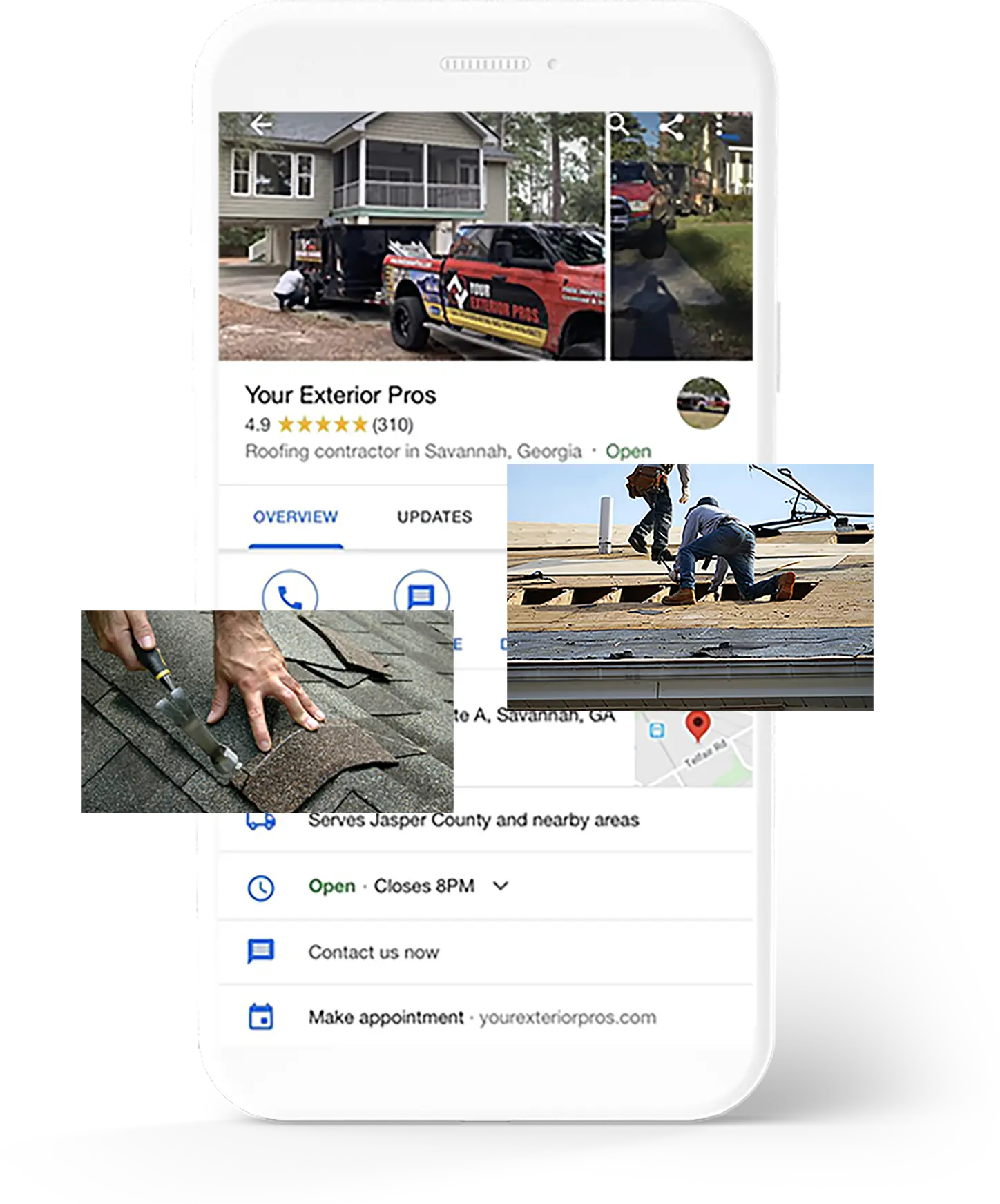
Ad clicks are expensive. Our advanced Ad management tool automatically creates Ad campaigns with enhanced budget management and controls to ensure maximum returns. Don’t pay for clicks, pay for new customer calls.
Try ResultCalls for free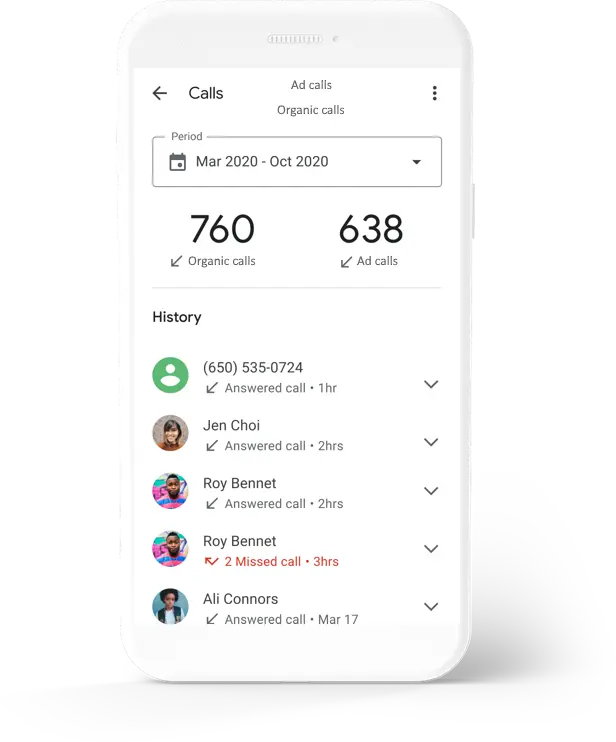
There are many businesses competing to get the same customers you are targeting. Why spend so much on clicks? Let’s Result do the hard part, you convert new customers and only pay per potential customer call.