Your auto insurance Google Ads campaign burns through thousands of dollars each month. Yet qualified leads remain frustratingly low. Sound familiar?
Most insurance agencies waste 25% of their PPC budget on targeting mistakes. For a business spending $5,000 monthly on Google Ads, that equals $15,000 annually disappearing into digital oblivion. The culprit isn't your budget size or market competition.
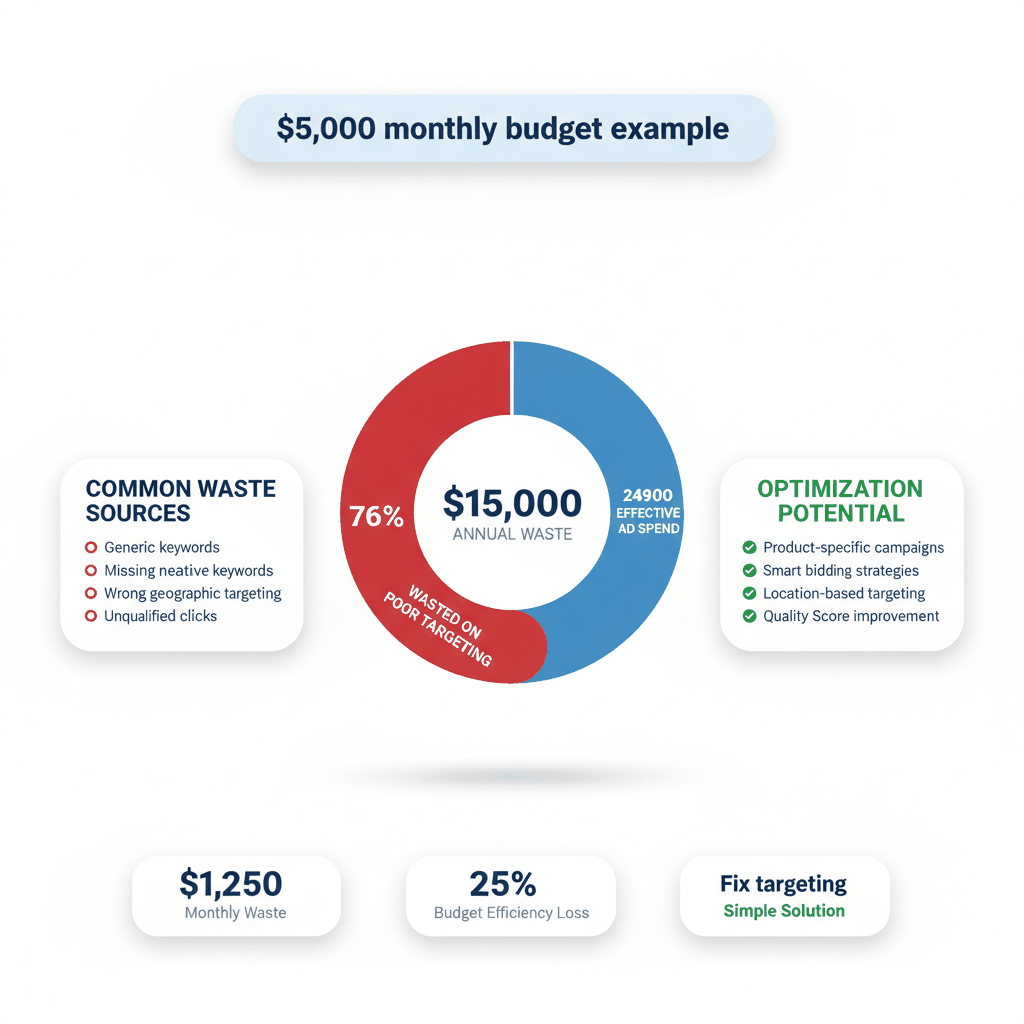
The problem lies in fundamental targeting errors that attract unqualified clicks. Generic keywords, poor geographic targeting, and weak negative keyword lists drain budgets faster than any other marketing mistake.
You'll discover the seven most costly auto insurance Google Ads targeting mistakes. Plus proven strategies to transform wasted ad spend into qualified leads ready to buy coverage.
Table of Contents
Insurance represents one of the costliest PPC markets. Big names like Progressive and GEICO drive bid prices sky-high. Cost-per-clicks frequently exceed $7, with premium terms reaching $50+.
Here's where most agencies lose money before generating a single qualified lead.
Broad terms like "insurance" or "coverage" attract everyone except serious buyers. These generic keywords drain budgets because searchers aren't ready to purchase auto insurance.
Someone searching "insurance" might want health coverage, home insurance, or career information. Your auto insurance ad shows anyway. You pay for worthless clicks while competitors capture qualified prospects.
The solution starts with product-specific keyword research. Target phrases like "affordable car insurance quotes" or "auto insurance rates in Denver." These longer searches indicate purchase intent.
Accounts without negative keyword management waste an average of 76% of their budget on non-converting terms. That's three-quarters of your ad spend going to irrelevant clicks.
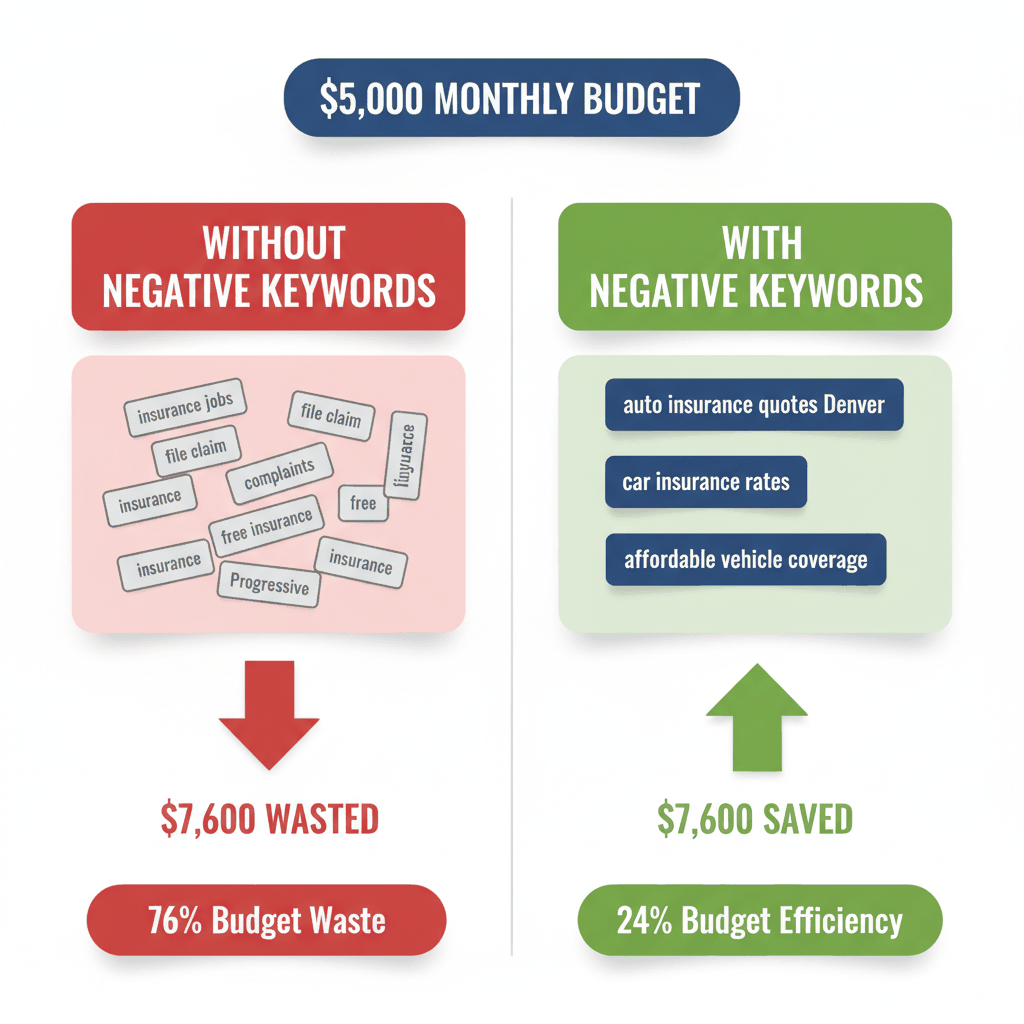
Your "best term life insurance" ads show for searches like "best term life insurance commissions." Job seekers click your ads instead of potential customers. Each worthless click costs $15-30 in competitive insurance markets.
Build negative keyword lists that block obvious waste:
Careers, jobs, employment terms
Complaints, reviews, ratings
Claims, file claim, report accident
Free, cheap, lowest price modifiers
Competitor brand names
Running ads in states where you can't write policies wastes every single click. Yet many agencies forget to restrict campaigns to their licensed territories.
Worse, some agencies target entire states when they only serve specific cities. A Tampa-based agency shouldn't pay for clicks from Jacksonville residents 200 miles away.
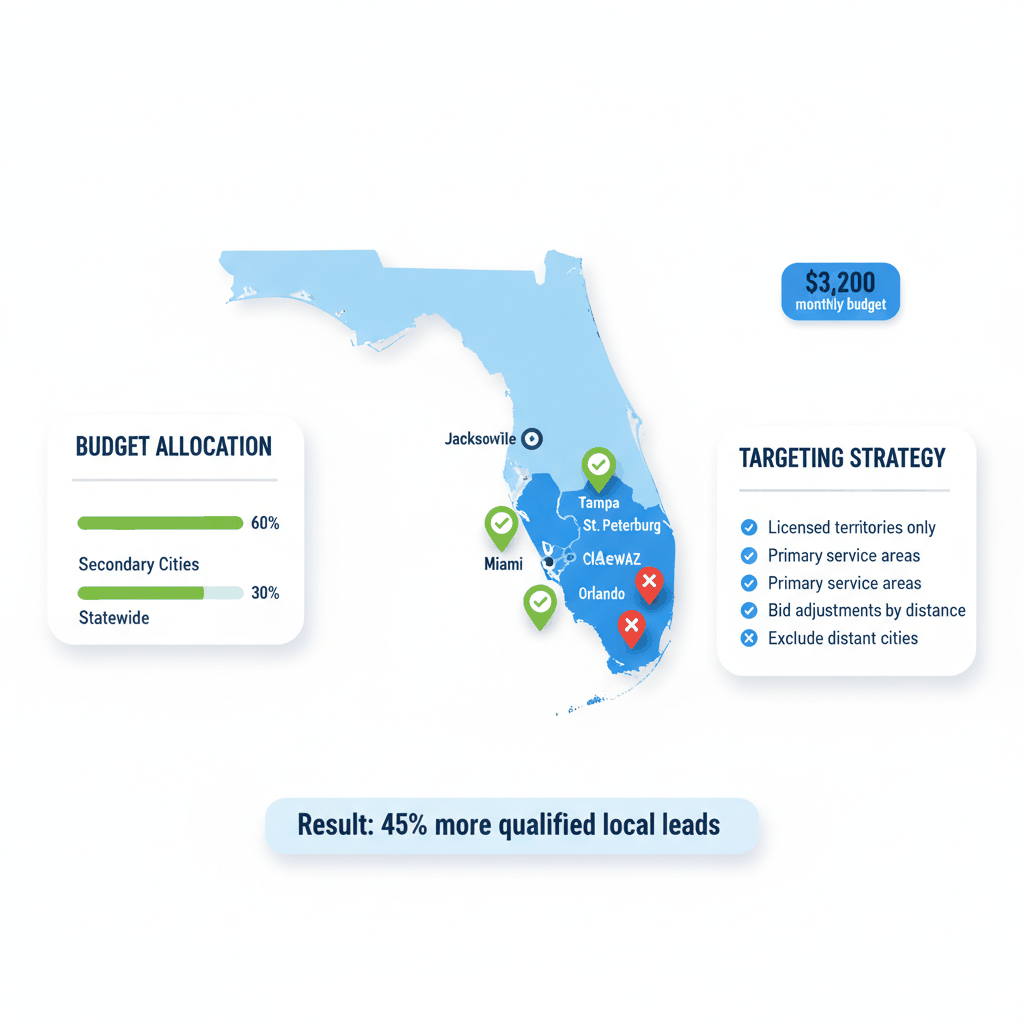
Geographic targeting requires two steps. First, restrict campaigns to licensed states only. Second, use bid adjustments to focus budget on your primary service areas.
Smart targeting transforms expensive clicks into profitable leads. These optimization strategies help insurance agencies generate qualified insurance leads while reducing wasted spend.
Create separate campaigns for each insurance product you sell. Auto insurance campaigns target different keywords than home insurance campaigns. This separation improves Quality Scores and ad relevance.
Someone searching "small business insurance quote" should see commercial coverage ads, not auto insurance. Product-specific campaigns ensure your ads match search intent perfectly.
Each campaign gets its own budget allocation. Spend more on high-converting products like auto insurance. Reduce budgets for experimental products until they prove profitable.
Long-tail keywords cost less and convert better than broad terms. "Affordable car insurance in Los Angeles" attracts qualified local prospects ready to compare quotes.
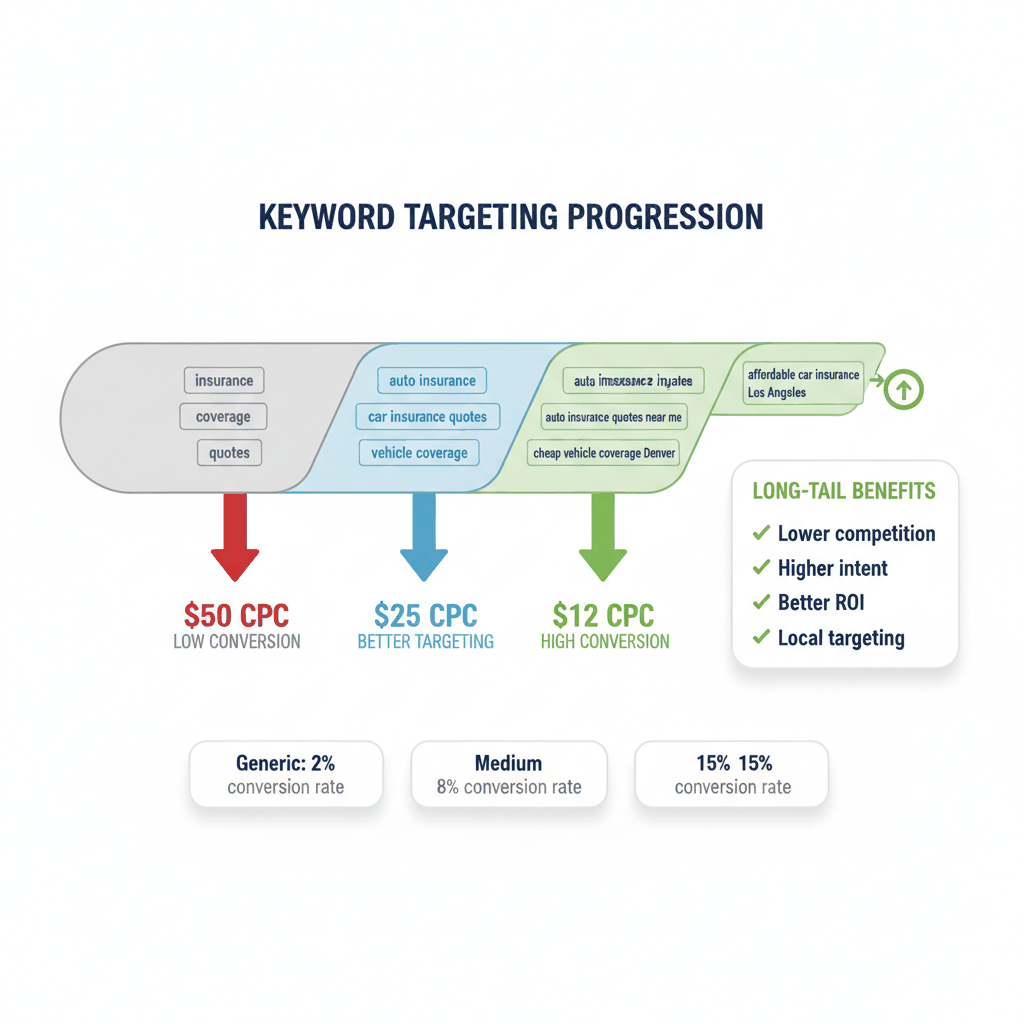
These specific phrases generate higher conversion rates because searchers express clear intent. They know what they want and where they want it.
Research location-specific modifiers for your service areas. Add terms like "near me," city names, and neighborhood identifiers. Local intent keywords convert 3-5x better than generic alternatives.
Your insurance ads run 24/7, but qualified leads don't arrive evenly throughout the day. Most quote requests come during specific hours when prospects research coverage options.
Analyze your conversion data to identify peak performance windows. Many insurance agencies see best results during weekday evenings when people research major purchases after work.
Concentrate budget during high-converting time periods. Reduce or pause ads during low-performance hours to maximize ROI on every advertising dollar.
Lead quality matters more than lead volume in insurance marketing. Phone leads generate 10-15x more revenue than web leads for insurance marketers.
Focus on keywords that signal immediate buying intent. Terms like "buy auto insurance online," "get car insurance quote," and "cheap car insurance rates" indicate readiness to purchase.
Avoid informational keywords that attract researchers instead of buyers. Someone searching "how auto insurance works" wants education, not quotes. Save your budget for purchase-ready prospects.
Use keyword modifiers that indicate urgency. Words like "today," "now," "immediate," and "fast" suggest prospects need coverage quickly.
Switch to Maximize Conversion Value bidding once you have at least 30 policy conversions in 30 days. This strategy optimizes for highest total policy value rather than just lead volume.
Smart Bidding uses machine learning to identify prospects most likely to purchase high-value policies. The system analyzes hundreds of signals to adjust bids automatically.
Traditional Target CPA bidding focuses on lead costs. Maximize Conversion Value focuses on revenue generation. The difference transforms campaign profitability.
Generic landing pages kill conversion rates. Prospects want coverage information specific to their location and situation.
Build dedicated landing pages for major geographic markets. Include local rate information, state-specific coverage requirements, and regional office contact details.
Location-specific pages improve Quality Scores and conversion rates simultaneously. Google rewards relevant landing page experiences with lower costs per click.
Sophisticated targeting separates profitable agencies from budget-draining campaigns. These advanced strategies help experienced advertisers maximize campaign performance.
Combine multiple targeting criteria to reach ideal prospects. Layer geographic targeting with demographic targeting and interest-based audiences.
Target homeowners in specific ZIP codes who've shown interest in auto insurance. This combination reaches prospects more likely to need multiple coverage types.
Use "observation" settings to gather audience data without restricting reach initially. Analyze performance data to identify your most valuable audience segments.
Target competitor brand terms when prospects search for alternative options. Someone searching "Progressive alternatives" might switch to your agency.
Create specific ads highlighting your advantages over major competitors. Emphasize local service, personal attention, or cost savings compared to national brands.
Be careful with trademark policies. Focus on generic competitor terms rather than specific trademarked phrases to avoid policy violations.
Auto insurance demand increases during specific periods. Policy renewal seasons, new car sales periods, and college enrollment times drive search volume.
Plan aggressive campaigns around these peak periods. Increase budgets and expand keyword lists when demand naturally rises.
Monitor search trends and industry patterns to anticipate busy seasons. Prepare campaigns before competitors recognize opportunities.
Even experienced marketers make costly PPC errors. Recognizing and fixing these mistakes quickly protects your advertising budget.
Insurance agencies with average Quality Scores of 3/10 pay approximately 60% more per click than optimized competitors. Over one year, this "Quality Score tax" costs an estimated $21,000 in wasted ad spend.
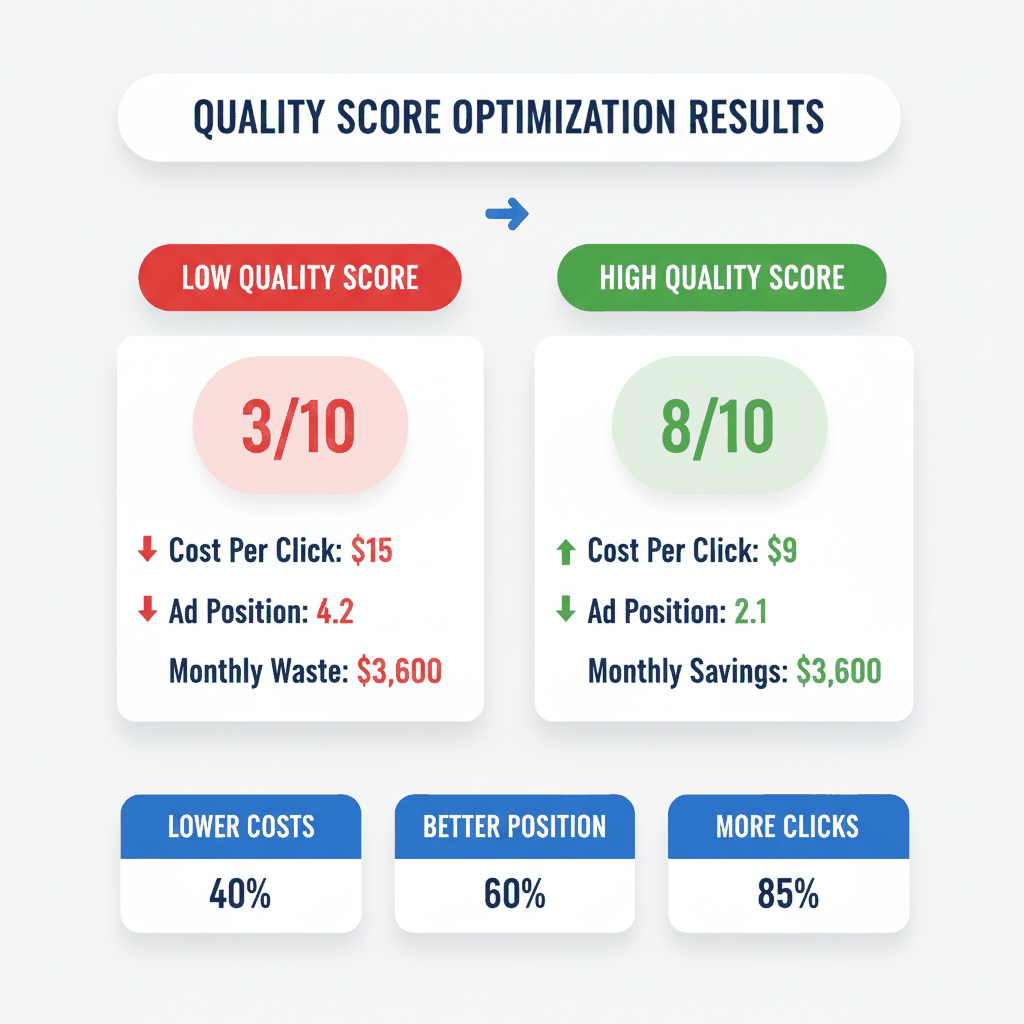
Improve Quality Scores by aligning keywords, ads, and landing pages. Each element should focus on the same specific insurance product and geographic market.
Monitor Quality Score columns in Google Ads. Identify keywords scoring below seven and optimize immediately. Higher scores reduce costs and improve ad positions.
Many agencies can't measure true campaign performance because they lack proper conversion tracking. Without data, optimization becomes impossible.
Set up phone call tracking to measure leads generated by each keyword and ad. Insurance buyers prefer phone contact, so call conversions often outperform form submissions.
Track policy sales, not just leads. A campaign generating 100 leads that close zero policies loses money. Focus on revenue-generating metrics.
Spread budgets evenly across all campaigns without considering performance differences. Top-performing campaigns run out of budget while poor performers continue spending.
Analyze cost-per-acquisition by campaign and keyword. Shift budget from expensive, low-converting terms to profitable alternatives.
Use portfolio bid strategies to automatically balance budgets across related campaigns. Google's algorithms optimize spending based on conversion probability.
How much should insurance agents spend on Google Ads monthly?
Most successful insurance agencies spend $3,000-8,000 monthly on auto insurance Google Ads. Start with smaller budgets to test targeting and gradually increase spend on profitable campaigns. Budget size matters less than targeting accuracy and conversion tracking.
What's the average cost per click for auto insurance keywords?
Auto insurance Google Ads typically cost $7-50 per click depending on location and competition. High-value terms like "car insurance quotes" cost more than specific long-tail keywords. Focus on conversion value rather than click costs.
How can insurance agents improve Google Ads Quality Scores?
Improve Quality Scores by creating tightly themed ad groups with specific keywords, relevant ad copy, and dedicated landing pages. Remove low-performing keywords and add negative keywords to improve click-through rates and relevance.
Should insurance PPC campaigns run 24/7 or during specific hours?
Most insurance leads convert better during weekday evenings and weekend afternoons when people research major purchases. Analyze your conversion data to identify peak hours and concentrate budget during high-performing time periods.
What negative keywords should auto insurance campaigns always include?
Essential negative keywords include careers, jobs, complaints, claims, file claim, free, cheap, and competitor brand names. Add industry-specific terms like "agent training" and "insurance license" to prevent irrelevant professional clicks.
Buy auto insurance leads today and only pay per call!

Hello everyone! My name is Alex and I write these blogs to help educate small business owners on different ways to grow their business. My goal is to make lead generation as easy as possible for you. After reading these blogs, I hope you leave with some actionable steps that will get you closer to growing your business :)