
Are you spending thousands on Medicare marketing but can't prove what's working? You're not alone. A recent study found that 28% of healthcare marketers struggle to measure marketing ROI effectively.
Medicare agents face unique tracking challenges. Strict compliance rules limit data collection. Patient journeys span multiple systems. Marketing costs keep rising while competition intensifies.
This guide shows you how to track medicare marketing roi effectively. You'll learn which metrics matter most. Plus, discover tools that help you prove marketing value and optimize spending.
Here's what makes Medicare marketing ROI different from other industries. It helps you make data-driven budget decisions and identify your highest-value client sources.
Table of Contents
Medicare marketing costs more than most insurance products. Lead costs average $400 or higher. Patient journeys last months instead of days.
Without accurate medicare agent analytics, you waste money on channels that don't convert. You miss opportunities to scale what works. Most importantly, you can't justify marketing budgets to stakeholders.
Effective ROI tracking transforms your marketing approach. It shows which campaigns generate the highest-value clients. This data helps you allocate budgets smarter and maximize returns.
Many Medicare agents rely on vanity metrics like clicks or impressions. These numbers look good in reports but don't show business impact.
Here's what happens without proper tracking systems:
You can't identify which channels drive quality leads
Budget allocation becomes guesswork instead of strategy
Slow response times hurt conversion rates
Compliance issues arise from improper data handling
Medicare marketing presents unique obstacles that other industries don't face. Understanding these challenges helps you build better tracking systems.
Patient information lives in multiple disconnected systems. Your CRM holds lead data. EHRs store patient records. Marketing platforms track campaign performance.
This separation makes it nearly impossible to see the full patient journey. You lose attribution between first contact and final enrollment.
A typical Medicare prospect might see your ad today. They research options for weeks. Insurance verification takes time. Final enrollment happens months later.
This extended timeline complicates attribution models. Traditional marketing funnels don't account for Medicare's unique sales cycle.
Privacy regulations like HIPAA add another layer of complexity. These rules limit how you collect and use patient data.
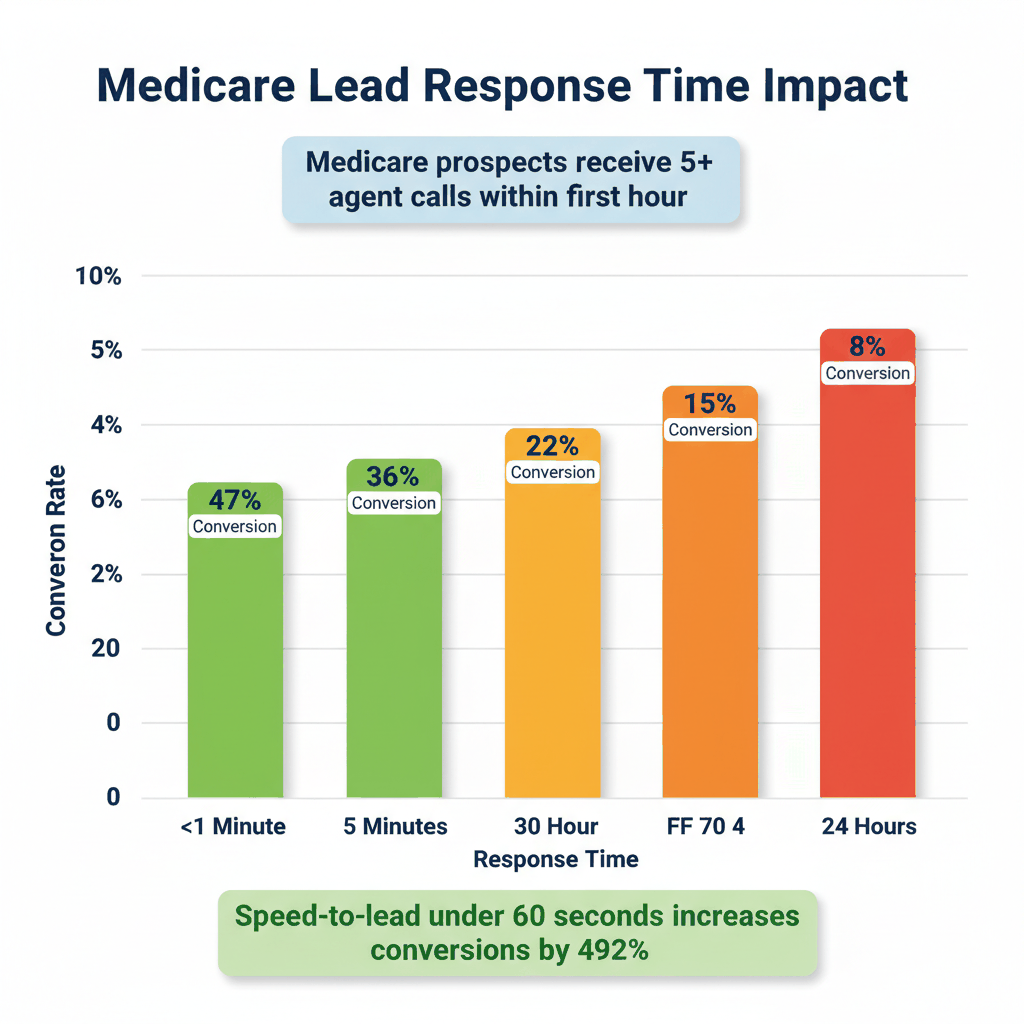
Medicare prospects receive multiple calls quickly. A lead filling out your form today gets contacted by five competitors tomorrow.
Speed matters more in Medicare than other insurance products. Waiting 30 minutes can kill your conversion rate. Without proper tracking, you can't optimize response times.
Healthcare privacy laws make Medicare agents cautious about data collection. Many organizations exclude marketing teams from patient data entirely.
This creates a gap between marketing activities and enrollment outcomes. You know campaigns generated leads but can't prove revenue impact.
Focus on metrics that directly impact your business growth. These essential KPIs help you make smart budget decisions.
PAC shows the total cost to acquire each new Medicare client. Calculate it by dividing total marketing expenses by new clients acquired.
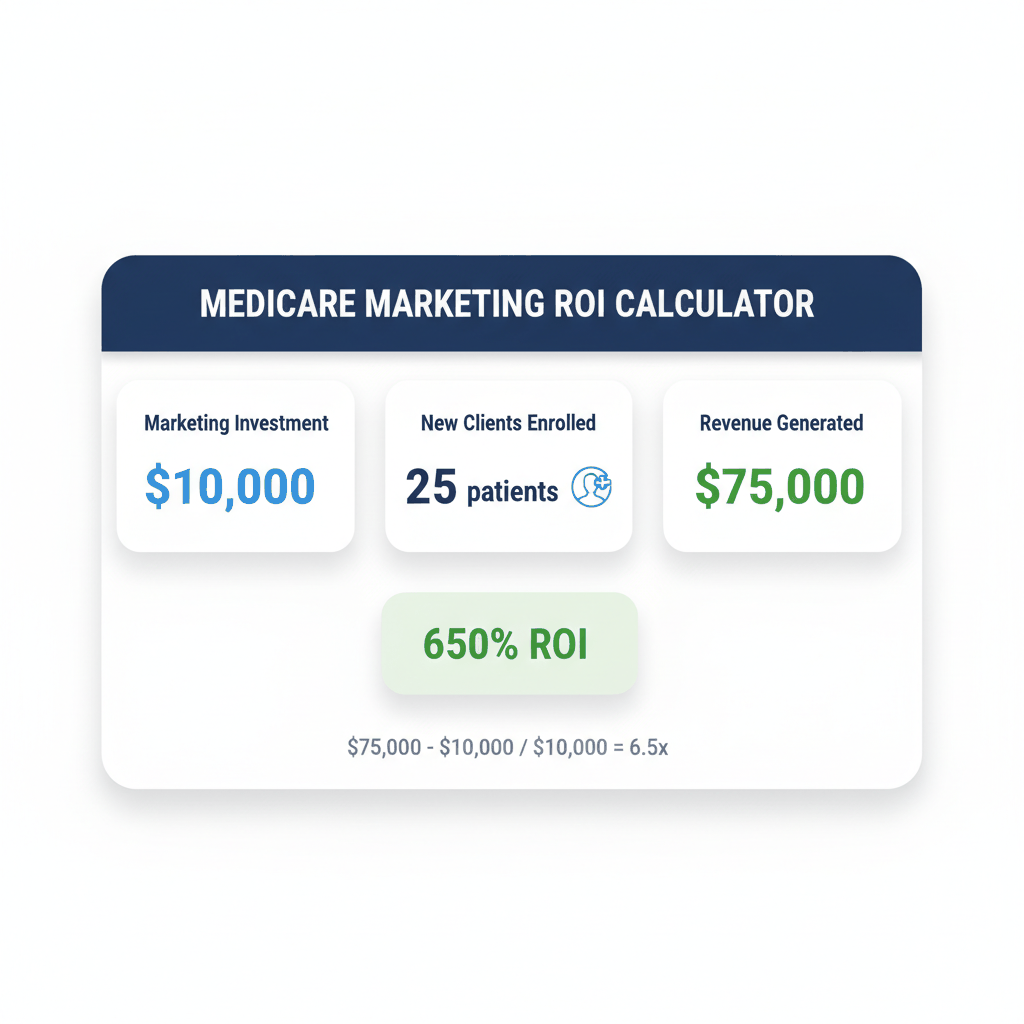
For example: You spend $10,000 on marketing and enroll 25 new clients. Your PAC is $400 per client.
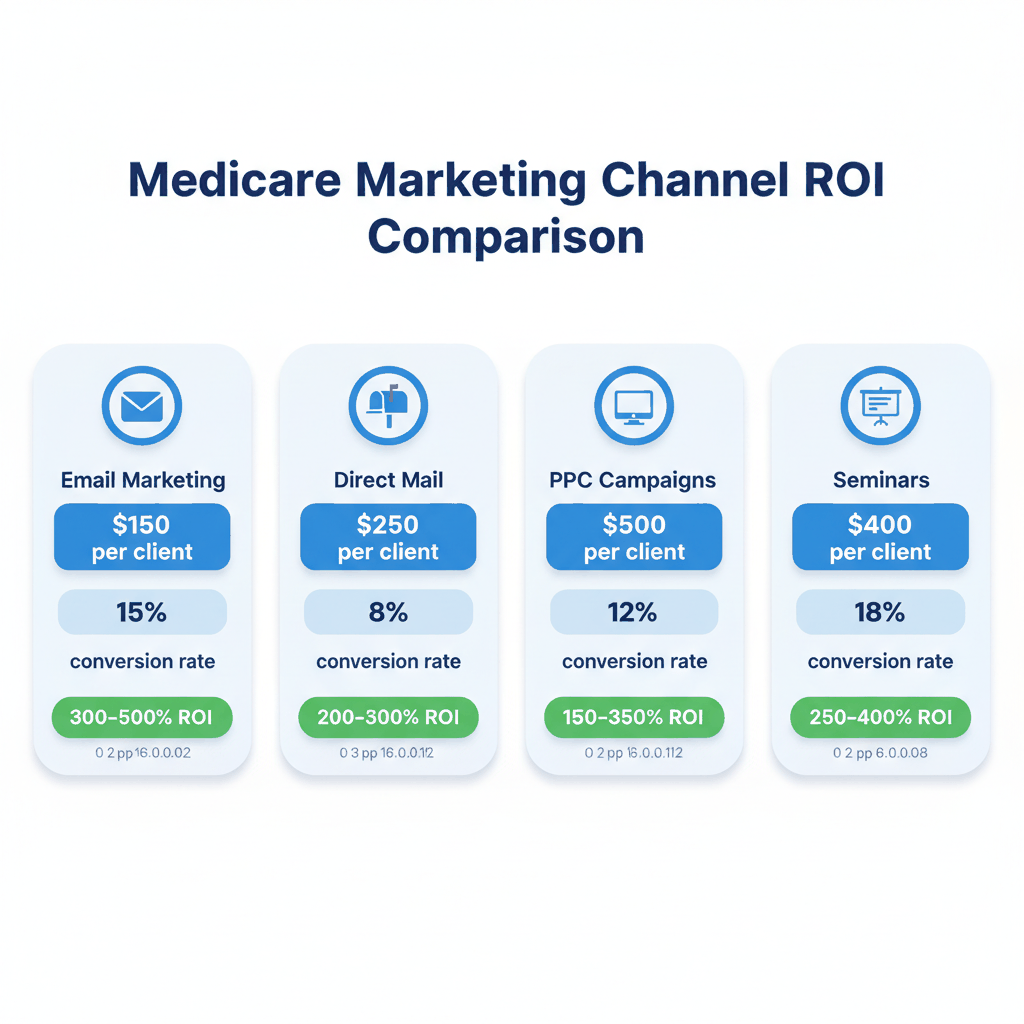
Track PAC by channel to identify your most cost-effective marketing methods. Email marketing might cost $150 per client while PPC costs $500.
Attribution shows which marketing activities generate leads and conversions. It tracks the complete journey from first contact to enrollment.
Common attribution models include:
First-touch: Credits the initial marketing touchpoint
Last-touch: Credits the final interaction before conversion
Multi-touch: Distributes credit across multiple touchpoints
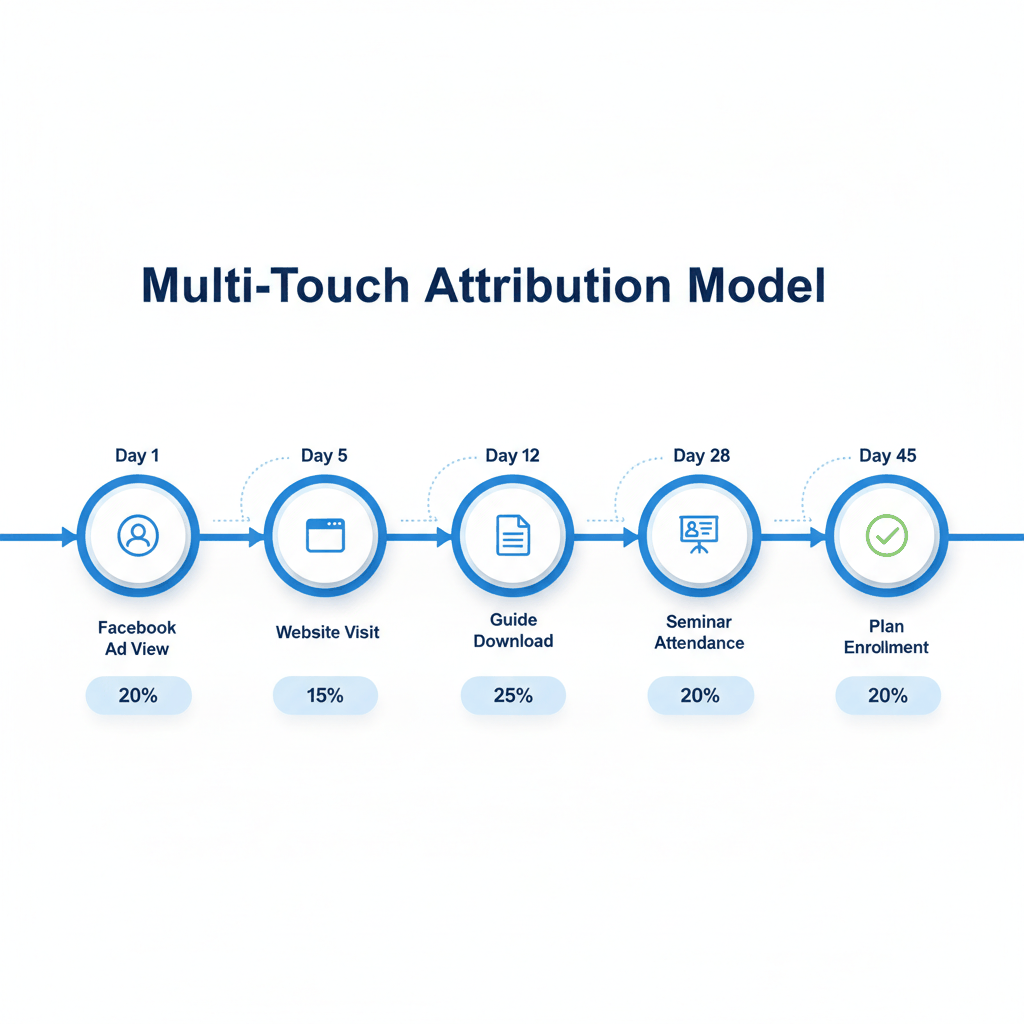
Medicare journeys often involve multiple touchpoints. A prospect might see your Facebook ad, visit your website, download a guide, and attend a seminar before enrolling.
ROI measures the revenue generated compared to marketing investment. The basic formula is: (Revenue - Marketing Cost) / Marketing Cost.
A 300% ROI means you generated $3 in revenue for every $1 spent on marketing. This metric helps justify marketing budgets and guide spending decisions.
Track how many leads convert to clients for each marketing channel. Email marketing might convert 15% of leads while direct mail converts 8%.
This data helps you optimize channel mix and budget allocation. Focus more resources on high-converting channels.
Effective medicare lead tracking requires the right systems and processes. These best practices help you capture accurate data while staying compliant.
Your CRM needs to capture first-touch and last-touch data automatically. Call tracking software should attribute phone calls to specific campaigns.
Integration between systems prevents data silos. When your CRM connects to marketing platforms, you get complete attribution data.
Medicare prospects rarely convert after one interaction. They research options, compare plans, and make decisions over time.
Multi-touch attribution gives credit to all touchpoints in the customer journey. This provides a more accurate picture of what drives conversions.
Aim for response times under 60 seconds. Use automation and CRM workflows to get leads in front of licensed agents instantly.
Set up alerts that notify agents immediately when new leads arrive. Consider using intelligent call routing to connect prospects with available agents.
Medicare clients often stay enrolled for years. Calculate lifetime value (LTV) to understand the true impact of your marketing efforts.
A client worth $2,000 annually who stays three years has an LTV of $6,000. This changes how you evaluate acquisition costs.
The right tools make accurate medicare marketing roi tracking possible. These platforms handle Medicare's unique requirements and compliance needs.
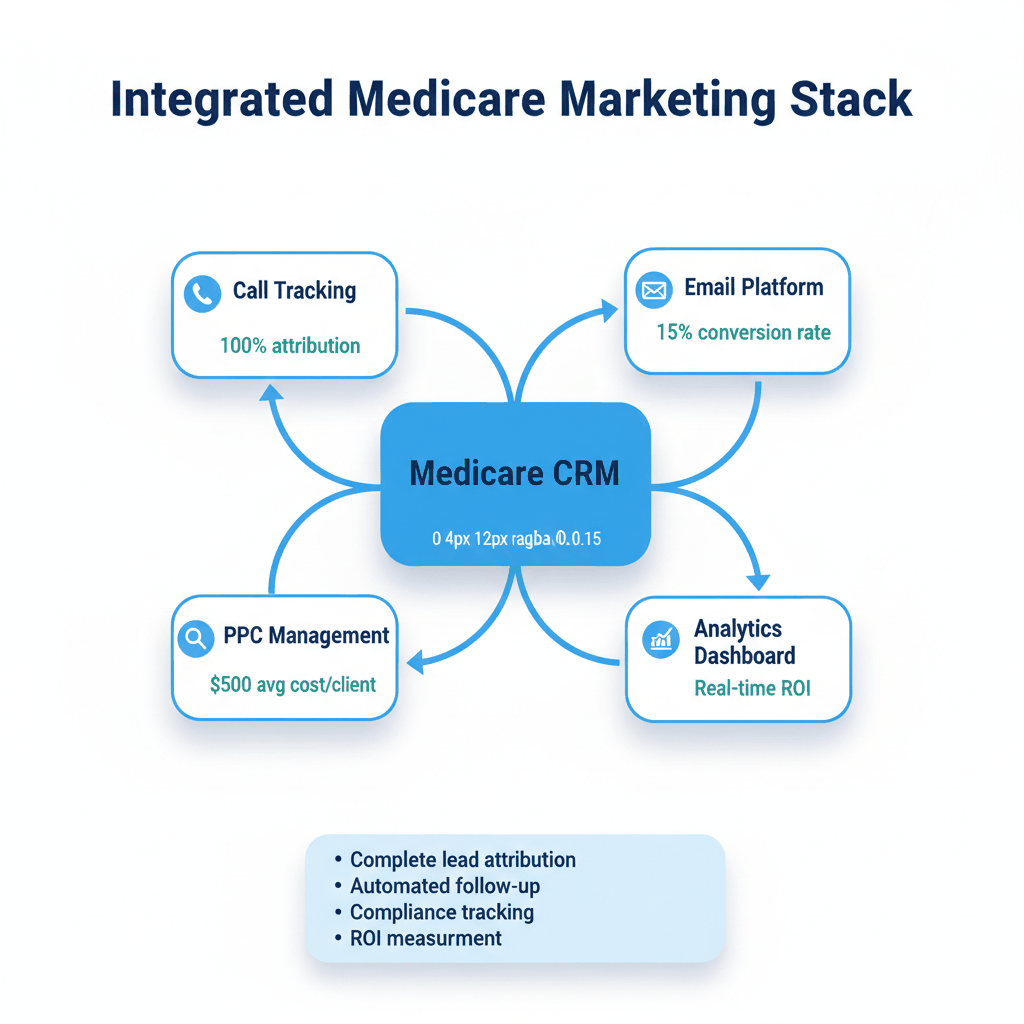
MedicareCopilot offers an AI-powered operating system built for Medicare agents. It combines CRM, quoting, enrollment tools, and marketing automation in one platform.
Agent CRM provides HIPAA-compliant marketing tools designed for Medicare agents. It integrates signature collection, appointment scheduling, and compliance management.
MedicarePRO CRM focuses specifically on Medicare agent needs. It tracks plan changes, automates reminders, and integrates with quoting tools.
Freshpaint offers privacy-first analytics that connect EHR and CRM data with ad platforms. This helps track the complete patient journey while maintaining compliance.
These platforms solve the attribution puzzle by securely connecting patient data with marketing performance data.
ActiveCampaign and HubSpot provide AI-powered email marketing with Medicare compliance features. They analyze user interactions to optimize engagement rates.
These tools help maintain consistent follow-up during long Medicare sales cycles. Automated sequences nurture leads until they're ready to enroll.
Call tracking platforms assign unique phone numbers to each marketing campaign. This provides direct attribution for phone-based conversions.
Look for solutions that integrate with your CRM and provide real-time reporting. Some platforms offer AI-powered call analysis to identify conversion patterns.
These real examples show how proper ROI tracking transforms Medicare marketing results.
A Medicare Advantage plan launched personalized direct mail using Hallmark cards. The campaign targeted members during the CAHPS survey period.
Results showed improvement in 8 out of 9 CAHPS measures. This translated to higher Star Ratings and additional CMS bonus payments.
The direct mail success demonstrates how personalized outreach drives both member satisfaction and financial returns.
Roger West created targeted PPC campaigns for 21 different markets and two brand variations. They developed specific ads and microsites for each market.
The insurer now has performance data for all keywords, ads, and microsites across every market. This data guides budget allocation decisions with confidence.
The campaign reduced cost per sale by 60% while maintaining lead quality standards.
BMG360 deployed National TV-to-Call, CTV, YouTube, and Paid Search campaigns for Medicare Advantage enrollment. They used their proprietary OneSource360 data warehouse to monitor performance.
The integrated approach connected high-intent Medicare recipients directly with licensed agents. Real-time monitoring allowed immediate optimization of media spend for maximum ROI.
What's the average ROI for Medicare marketing campaigns?
Medicare marketing ROI varies by channel and strategy. Successful campaigns typically achieve 200-400% ROI. Email marketing often performs best with 300-500% returns, while PPC campaigns average 150-300% when optimized properly.
How do HIPAA rules affect Medicare agent analytics?
HIPAA limits how you collect and use patient data for marketing. Use HIPAA-compliant CRM systems and avoid storing protected health information in marketing platforms. Focus on business data like enrollment dates rather than medical details.
Which marketing attribution model works best for Medicare leads?
Multi-touch attribution works best for medicare lead tracking because prospects interact with multiple touchpoints before enrolling. This model gives credit to all interactions and provides a complete view of the customer journey.
How quickly should Medicare agents respond to new leads?
Aim for response times under 60 seconds. Medicare prospects receive calls from multiple agents quickly. Speed-to-lead directly impacts conversion rates, with delays over 30 minutes significantly reducing success rates.
What's the most important metric for Medicare marketing ROI?
Patient Acquisition Cost (PAC) by channel provides the most actionable insights. This metric shows exactly how much each marketing channel costs to acquire new clients, helping you optimize budget allocation effectively.
Ready to get Medicare leads? Sign up for free with ResultCalls now!

Hello everyone! My name is Alex and I write these blogs to help educate small business owners on different ways to grow their business. My goal is to make lead generation as easy as possible for you. After reading these blogs, I hope you leave with some actionable steps that will get you closer to growing your business :)