The Best Pay Per Call Plumbing Guide for 2025

Professional plumber answering pay-per-call lead from customer needing emergency plumbing services.

The Best Pay Per Call Plumbing Guide for 2025

  • 28th August, 2025
  • Alex Gambashidze

Ever feel like you're throwing money at ads with no results? You're not alone. Most plumbers struggle with expensive marketing that doesn't bring in customers.

Traditional ads cost a fortune. Google ads for plumbing can cost $70-75 per lead. You pay whether someone calls or not. That's a big problem.

Pay-per-call marketing fixes this. You only pay when someone actually calls your business. No wasted money on clicks that don't turn into customers.

This guide shows you exactly how pay-per-call works. You'll learn costs, benefits, and whether it's right for your plumbing business.

Table of Contents

  1. What Is Pay-Per-Call Plumbing

  2. How Pay-Per-Call Works

  3. Is Pay-Per-Call Worth It for Plumbers

  4. Average Plumbing Lead Costs

  5. Pay-Per-Call vs Plumbing Leads Online

  6. Quality Plumbing Leads Standards

  7. Best Practices for Success

  8. Tools and Technology

  9. Real Results and Case Studies

  10. Getting Started Guide

What Is Pay-Per-Call Plumbing

Pay-per-call plumbing is a marketing method where you only pay when someone calls your business. No calls, no payment. It's that simple.

Here's how it differs from other marketing:

Regular Google Ads: You pay for every click. Someone might click your ad by mistake. You still pay.

Pay-Per-Call: You only pay when someone calls with a real plumbing problem. Much better value.

This works great for plumbers. Emergency calls like burst pipes need immediate help. Customers call right away instead of shopping around online.

Key Benefits

You Only Pay for Real Leads: No wasted money on accidental clicks or people just browsing.

High-Intent Customers: People who call have urgent problems. They're ready to hire someone now.

Exclusive Plumbing Leads: Most providers focus on delivering exclusive plumbing leads, not shared ones. When calls go only to your business, you avoid competing with other plumbers for the same customer.

How It Fits Your Business

Pay-per-call makes sense for plumbers because:

  • Emergency calls can't wait

  • Phone conversations build trust faster

  • You can quote jobs on the spot

  • Customers prefer talking to real people about problems

For small companies, plumbing leads for small business can be a game-changer if you don't have big ad budgets. Instead of competing with larger companies on expensive Google ads, you get direct access to customers who need help right now. To learn more about finding the best plumbing leads for your business, consider your operational readiness and budget constraints.

How Pay-Per-Call Works

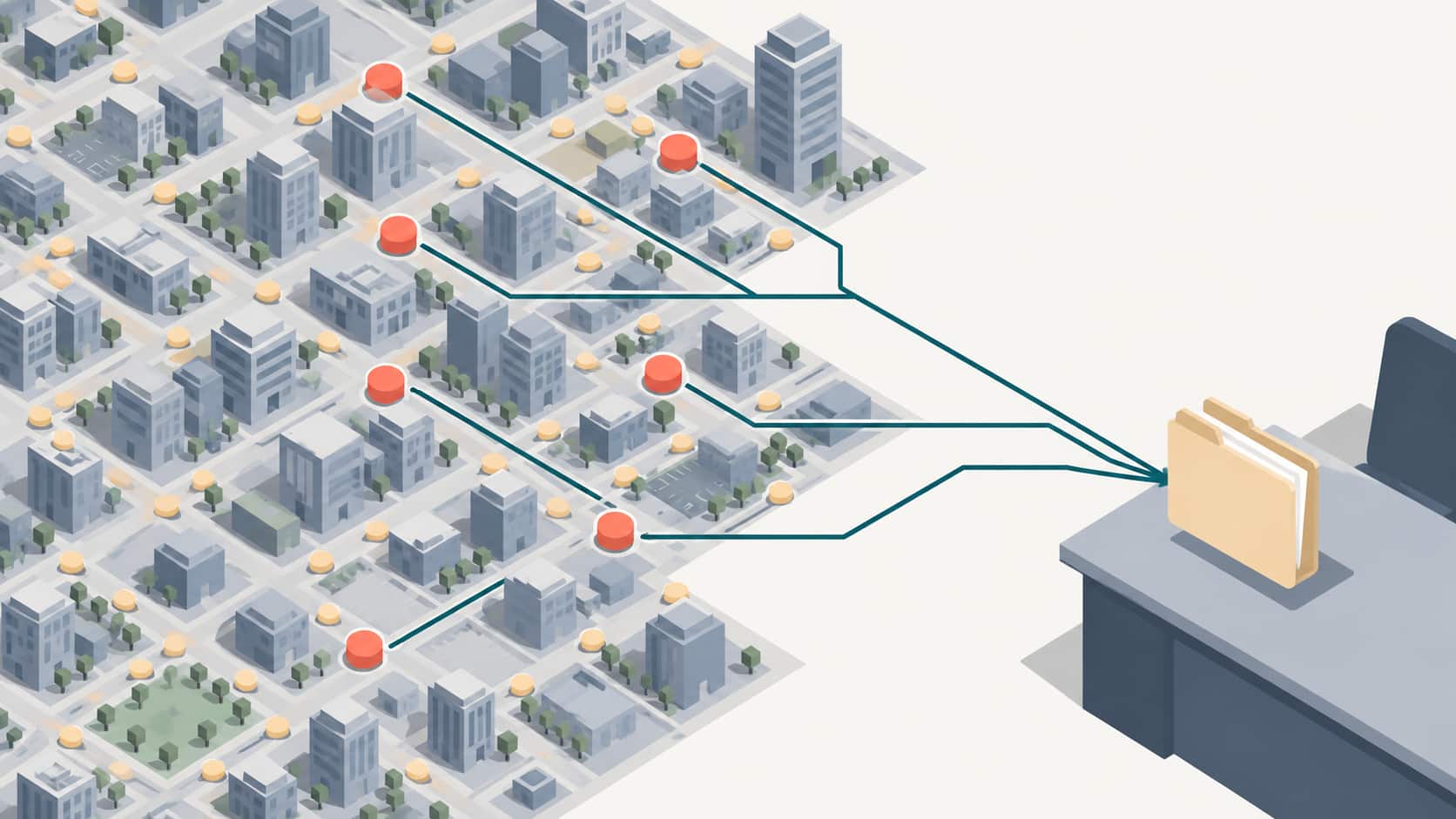
The process starts when marketing companies create targeted ads. These ads appear when people search for plumbers in your area.

The Step-by-Step Process

Step 1: Ad Creation Marketing companies create ads for terms like "emergency plumber" or "drain cleaning." These ads show up on Google, Bing, and other sites.

Step 2: Unique Phone Numbers Each ad gets a special tracking phone number. This lets the company know which ad brought in each call.

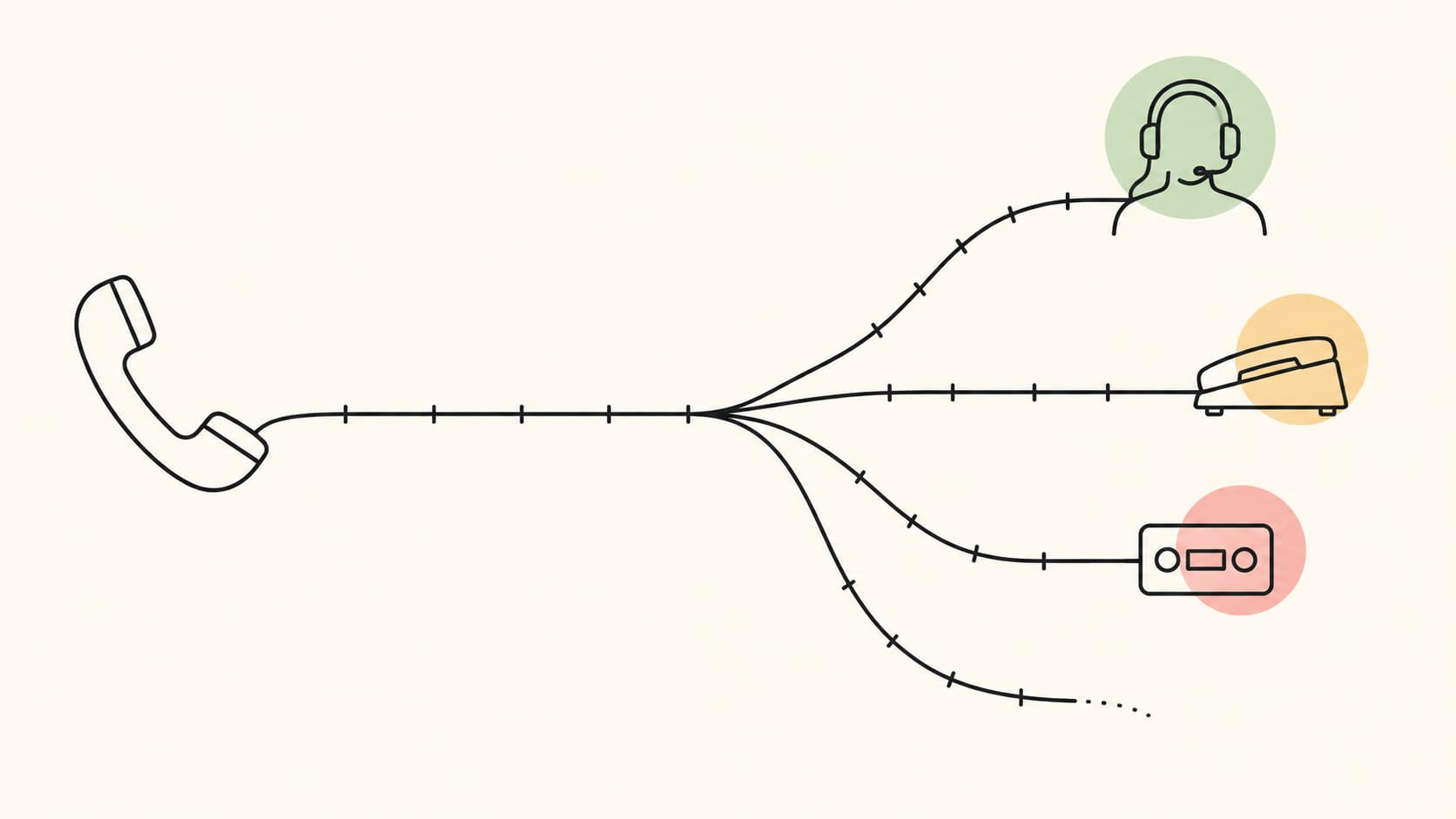
Step 3: Call Routing When someone calls the tracking number, here's what happens:

  • The system records the call details

  • It checks if the caller meets your requirements

  • The call gets forwarded to your business phone

  • You answer like it's a direct call

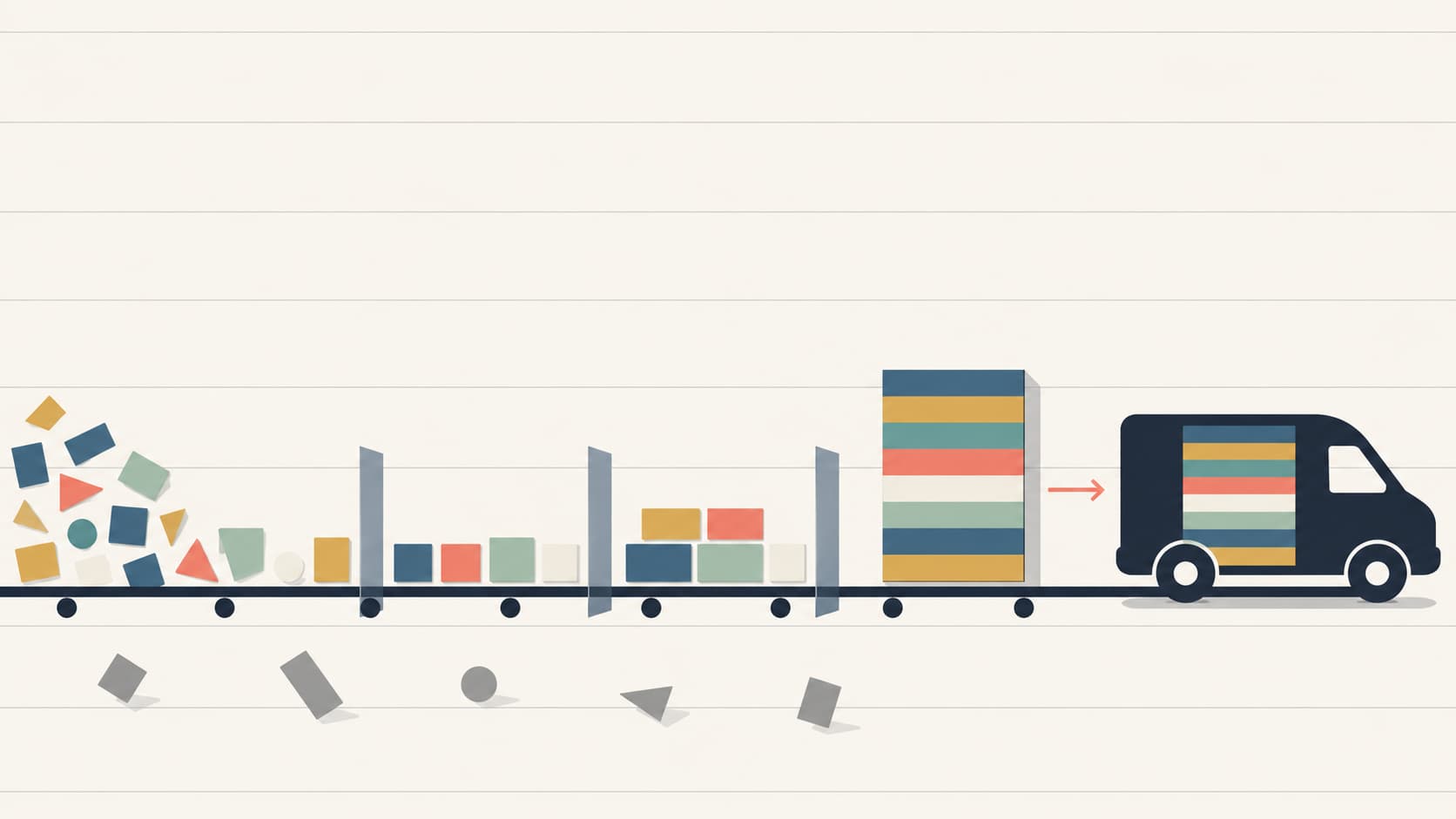
Step 4: Quality Check The marketing company reviews each call. They make sure it meets your standards before charging you.

What Customers Experience

Customers don't know about the tracking system. They see your ad, call the number, and reach your business directly. The experience feels natural and professional.

Call Screening Options

Some companies add brief screening questions. This helps filter out:

  • Wrong numbers

  • People outside your service area

  • Non-emergency calls you don't want

This extra step improves lead quality but adds a few seconds to the call process.

Pay-per-call plumbing lead generation process flow diagram showing customer journey from search to phone call.

Is Pay-Per-Call Worth It for Plumbers

Pay-per-call can be very profitable for plumbers. But success depends on several factors.

When Pay-Per-Call Works Best

You Answer Calls Quickly: Studies show business owners think they answer 97% of calls, but really answer only 66%. Missed calls waste your money.

You Have Good Phone Skills: The best plumbers book 53% of calls into appointments. Train your team to convert calls into jobs.

Your Market Has Competition: If Google ads cost $50+ per click in your area, pay-per-call often costs less per actual lead.

Real Advantages Over Other Marketing

Better Than Shared Leads: Lead companies often sell the same customer info to 3-10 plumbers. This creates price wars. Pay-per-call gives you exclusive access.

Higher Intent Than Web Forms: People with burst pipes don't fill out contact forms. They call immediately.

Less Expensive Than Google Ads: Single clicks can cost $30-120 depending on your market. Many clicks don't turn into leads.

Potential Challenges

Higher Cost Per Lead: Pay-per-call leads cost more upfront than some alternatives. But they convert better.

Need Immediate Response: You can't let calls go to voicemail. This requires good staffing or answering service.

Results Depend on Your Skills: The marketing company gets you calls. Converting those calls into jobs is up to you.

Success Requirements

For pay-per-call to work, you need:

  • Someone to answer calls during business hours

  • Basic phone scripts and training

  • Ability to schedule jobs quickly

  • Professional phone manner

Average Plumbing Lead Costs

Average plumbing lead costs vary based on several factors. To understand how much plumbing leads cost in detail, consider your market competition and service requirements.

Typical Price Ranges

Pay-Per-Call Leads: $35-150+ per qualified call 

Google Search Ads: $70-75 per lead 

Local Service Ads: $25-45 per lead 

Shared Lead Sites: $15-85 per lead

What Affects Your Costs

Geographic Area: Big cities cost more than small towns. Competition drives up prices.

Type of Service: Emergency calls cost more than routine maintenance leads.

Time and Day: Weekend and evening calls typically cost more.

Lead Quality Standards: Stricter requirements mean higher costs but better leads.

Calculating True Value

Don't just look at cost per lead. Calculate cost per customer instead.

Example 1: Shared Leads

  • Cost: $25 per lead

  • Conversion rate: 5% (1 in 20 leads becomes a customer)

  • True cost per customer: $500

Example 2: Pay-Per-Call

  • Cost: $100 per lead

  • Conversion rate: 30% (1 in 3 leads becomes a customer)

  • True cost per customer: $333

The pay-per-call lead costs 4x more but delivers customers for less money.

ROI Considerations

Average plumbing job value runs $500-1,500. If you close 60% of appointments and jobs average $800:

  • $100 lead cost

  • 40% book appointments

  • 60% of appointments close

  • Result: 24% of leads become $800 jobs

  • Return: $192 revenue per $100 spent

This shows healthy 92% profit margins on marketing spend.

Cost comparison chart showing average plumbing lead costs across different marketing methods including pay-per-call.

Pay-Per-Call vs Plumbing Leads Online

Understanding the differences between pay-per-call and plumbing leads online helps you choose the right marketing approach.

Lead Exclusivity

Pay-Per-Call: Most reputable companies provide exclusive leads. Unlike many plumbing leads online services that resell contacts, pay-per-call ensures real conversations. When someone calls, only your business gets that opportunity.

Online Lead Sites: These often sell the same lead to multiple plumbers. You compete on price against 3-10 other companies.

Customer Intent Levels

Phone Calls: Show highest intent. People with emergencies call immediately. They're ready to hire someone now.

Web Forms: Lower intent. People might be shopping around or just curious about pricing.

Email Inquiries: Lowest intent. Often just collecting information for future reference.

Response Time Requirements

Pay-Per-Call: Requires immediate response. Miss the call, lose the lead.

Online Leads: Allow some response delay, but fast response still wins more jobs.

Conversion Rate Comparison

Method

Exclusivity

Intent Level

Typical Conversion

Pay-Per-Call

Exclusive

Very High

25-40%

Google Ads

Exclusive

High

10-15%

Local Service Ads

Shared

High

15-25%

Lead Aggregators

Shared

Medium

2-5%

Quality Control Differences

Pay-Per-Call Benefits:

  • Call recording for quality verification

  • Real-time lead screening

  • Clear refund policies for bad leads

  • Geographic verification built-in

Online Lead Challenges:

  • Harder to verify lead quality

  • No way to screen leads before delivery

  • Limited recourse for poor leads

  • Often no call recordings

Quality Plumbing Leads Standards

Quality standards determine what calls you pay for. Understanding these protects your marketing budget and ensures you get quality plumbing leads that convert into actual customers.

Standard Qualification Criteria

Most pay-per-call companies use similar standards:

Call Duration: Minimum 30-120 seconds. Real customers need time to explain their problem.

Geographic Match: Caller must be in your service area. Phone number area codes help verify location.

Service Intent: Caller must need plumbing services. This filters out:

  • Job seekers

  • Telemarketers

  • Wrong numbers

  • Spam calls

New Customer Status: Many agreements don't charge for existing customer calls.

Quality Verification Process

Real-Time Screening: Some providers use brief questions before connecting calls. This improves quality but may delay connection slightly.

Call Recording: Most companies record calls for quality review and dispute resolution.

Manual Review: Human reviewers check questionable calls to ensure fair billing.

Red Flags to Avoid

Watch out for providers who:

  • Can't clearly define qualification standards

  • Refuse to provide call recordings

  • Offer suspiciously low prices

  • Have no refund policy for bad leads

  • Won't explain their screening process

Disputing Poor Quality Calls

Good providers offer:

  • Clear dispute process

  • Quick resolution timelines

  • Partial or full refunds for qualified disputes

  • Detailed call analytics to support decisions

Setting Custom Standards

Work with your provider to customize standards for your business:

  • Specific services you want calls for

  • Minimum job size requirements

  • Preferred call times and days

  • Special geographic restrictions

Call quality standards checklist showing qualification criteria for quality plumbing leads in pay-per-call marketing.

Best Practices for Success

Success with pay-per-call requires more than just signing up. Follow these proven strategies.

Choosing the Right Provider

When you decide to buy plumbing leads through pay-per-call, choosing the right partner is crucial for success.

Essential Questions to Ask:

Ask potential providers:

  • "How do you define qualified leads?"

  • "Are leads 100% exclusive to my business?"

  • "Which marketing channels do you use?"

  • "Can I see your performance dashboard?"

  • "What's your refund policy for bad calls?"

Warning Signs to Avoid:

  • Long-term contracts before proving results

  • Prices that seem too good to be true

  • Vague answers about lead sources

  • No call recording or tracking available

  • Poor customer service or support

Optimizing Your Call Handling

Answer Calls Immediately: Every missed call is wasted marketing money. Consider:

  • Dedicated phone staff during business hours

  • Professional answering service for after-hours

  • Call forwarding to mobile phones

  • Multiple phone lines to prevent busy signals

Creating Effective Call Scripts

Good call scripts ensure consistent, professional interactions. Include these elements:

Professional Greeting: "Thank you for calling ABC Plumbing. This is [Name]. How can I help you?"

Information Gathering: Get essential details: name, address, phone number, problem description.

Show Empathy: "That sounds frustrating. You called the right place to get it fixed."

Set Expectations: Explain your process, any service fees, and timeline.

Close for Appointment: "We have an opening between 1-3 PM today. Does that work?"

Confirm Details: Repeat key information to ensure accuracy.

Tracking Key Metrics

Booking Rate: Percentage of calls that become scheduled appointments. Target 50%+ for good performance.

Close Rate: Percentage of appointments that become paid jobs. Aim for 60-70%.

Average Job Value: Track revenue per completed job to ensure profitability.

Cost Per Customer: Divide total marketing spend by new customers acquired.

Training Your Team

Phone Skills Training:

  • Active listening techniques

  • Professional communication

  • Handling objections

  • Creating urgency without pressure

Product Knowledge:

  • Common plumbing problems and solutions

  • Pricing for standard services

  • Your competitive advantages

  • Service guarantees and policies

Tools and Technology

The right technology stack maximizes your pay-per-call investment.

Call Tracking Platforms

These systems make pay-per-call possible. Leading platforms include Invoca, CallRail, and Ringba.

Key Features:

  • Unique tracking numbers for each campaign

  • Call recording and analytics

  • Real-time call routing

  • Dynamic number insertion for websites

  • Detailed performance reporting

CRM Integration

Customer management systems help you handle the increased call volume.

Top Options:

ServiceTitan: Comprehensive solution for larger plumbing businesses. Tracks jobs from initial call through completion.

Housecall Pro: User-friendly platform for smaller companies. Integrates directly with call tracking services.

Jobber: Strong integration capabilities. Automatically creates customer records from tracked calls.

Creating a Closed-Loop System

The best setup connects all your tools:

  1. Customer sees your pay-per-call ad

  2. Tracking system captures call and source data

  3. Call forwards to your business

  4. CRM automatically creates customer record

  5. Staff books appointment in the system

  6. You track ROI from campaign to completed job

This gives you complete visibility into what marketing actually produces revenue.

Essential Features to Look For

Call Recording: Review calls for training and quality improvement.

Real-Time Analytics: See performance data as it happens.

Mobile Access: Manage calls and leads from anywhere.

Automated Follow-Up: Send confirmation texts and emails.

Integration Options: Connect with your existing business software.


CRM dashboard screenshot showing pay-per-call lead integration with automated customer record creation and call tracking.

Real Results and Case Studies

Real-world examples show what's possible with pay-per-call marketing.

Success Stories

Revenue Growth Examples:

One plumbing company reallocated their $2,500 monthly budget from poorly managed Google ads to professional pay-per-call. Result: 500% revenue increase over 12 months.

Cost Efficiency Gains: Paul The Plumber doubled monthly leads from 285 to 468 while reducing cost per lead from $36.74 to $20.48.

Quick Turnarounds: A Phoenix plumber switched from a national agency to specialists. Results in three months: 102% increase in website traffic and significantly lower cost per conversion.

Realistic Expectations

Not every campaign succeeds. Common challenges include:

Lead Quality Issues: Some providers deliver "tire kickers" who just want free estimates.

Poor Campaign Management: One marketer generated 50+ cheap leads for a plumber, but all were irrelevant (people looking for lawyers or car services).

Conversion Problems: Companies with poor phone skills struggle even with good leads.

Key Success Factors

Provider Quality: Success stories usually involve specialized, transparent providers rather than large automated platforms.

Internal Readiness: Top performers have trained staff, professional call handling, and good conversion processes.

Realistic Expectations: Focus on cost per customer, not just cost per lead.

Continuous Improvement: Best results come from ongoing optimization, not "set and forget" approaches.

What Separates Winners from Losers

Winners Do This:

  • Answer calls immediately and professionally

  • Use proven scripts and processes

  • Track detailed performance metrics

  • Work with reputable providers

  • Focus on customer acquisition cost

Losers Often:

  • Miss calls or handle them poorly

  • Choose providers based only on price

  • Don't track real ROI

  • Expect instant results without preparation

  • Blame the marketing when conversion fails

Getting Started Guide

Ready to try pay-per-call? Follow this step-by-step approach.

Step 1: Assess Your Readiness

Can You Handle More Calls?

  • Do you answer calls during business hours?

  • Can your team professionally convert calls to appointments?

  • Are your scheduling and dispatch systems ready?

  • Can you maintain service quality with more jobs?

Set Clear Goals:

  • How many new customers do you want monthly?

  • What's your maximum cost per customer?

  • What's your minimum acceptable ROI?

  • Which services do you want to focus on?

Step 2: Choose Your Provider

Start Small: Begin with limited geographic area and modest budget. Test performance before expanding.

Research Options: Look for providers with:

  • Transparent qualification standards

  • Good customer reviews and references

  • Flexible month-to-month agreements

  • Clear performance reporting

  • Reasonable pricing for your market

Ask the Right Questions: Use the question list from our best practices section.

Step 3: Prepare Your Team

Train Your Staff:

  • Professional phone answering techniques

  • Basic sales and scheduling skills

  • Your service offerings and pricing

  • How to handle common objections

Create Call Scripts: Use our template as a starting point. Customize for your business.

Set Up Systems: Ensure you can track calls from initial contact through completed jobs.

Step 4: Launch and Monitor

Start Conservatively: Begin with a smaller budget to test the waters.

Monitor Key Metrics:

  • Call answer rate

  • Booking percentage

  • Show rate for appointments

  • Job close rate

  • Average job value

  • Overall ROI

Optimize Based on Results: Adjust scripts, training, and processes based on what you learn.

Step 5: Scale What Works

Expand Gradually: Increase budget and service area as you prove profitability.

Add Services: Once core services work well, test additional offerings.

Improve Systems: Invest in better CRM and call handling as volume grows.

Common Mistakes to Avoid

Choosing Based on Price Alone: Cheapest often means lowest quality leads.

Not Preparing Staff: Good leads waste away with poor call handling.

Unrealistic Expectations: Results take time to optimize.

Poor Tracking: You can't improve what you don't measure.

Giving Up Too Soon: Allow time for testing and optimization.

Conclusion

Pay-per-call marketing offers plumbing businesses a smart alternative to expensive traditional advertising. You only pay for real conversations with customers who need your services right now.

The key advantages are clear. You get exclusive leads with high intent. Customers call when they have urgent problems. You avoid the price wars that come with shared lead services.

But success isn't automatic. You need to answer calls quickly and professionally. Your team must convert conversations into appointments and jobs. Choose providers carefully and track your real return on investment.

When done right, pay-per-call delivers strong results. Companies report doubling their leads while cutting costs. Others see 500% revenue growth by switching from poorly managed ad campaigns.

The most important factor is operational readiness. A missed call wastes your entire marketing investment. Professional call handling and good systems are just as important as the marketing itself.

Pay-per-call works best as part of a complete marketing strategy. Combine it with strong local SEO, professional website, and good online reviews. This creates a system where each piece supports the others.

Ready to get high-quality, exclusive leads for your plumbing business?

ResultCalls specializes in connecting home service businesses with customers who need help right now. Our pay-per-call plumbing leads are 100% exclusive, pre-qualified, and designed to grow your business without wasted ad spend.

Sign up with ResultCalls today for free and get ready-to-convert customers calling your phone.


Alex Gambashidze
Marketing Associate at ResultCalls

Hello everyone! My name is Alex and I write these blogs to help educate small business owners on different ways to grow their business. My goal is to make lead generation as easy as possible for you. After reading these blogs, I hope you leave with some actionable steps that will get you closer to growing your business :)

2,000+

Happy local businesses

See what some of them have to say.