
You just missed another painting estimate call. The customer hired someone else while you were on the ladder. This happens to painting contractors every day. You lose jobs before you even get a chance to bid.
Here's the truth about painting contractor phone calls. Most painters ask if they can schedule an estimate. Smart contractors assume they're getting the job. They go straight to scheduling. This simple change can increase your close rates from 15% to 45%.
Advanced call scripts help you handle price objections. They position you against competitors. Plus, they keep leads warm until they're ready to buy. You'll learn proven techniques that transform phone calls into booked appointments.
This guide shows you exactly how to handle tough customer questions. You'll discover scripts that work for price objections, competitor comparisons, and follow-up calls. These techniques help you close more jobs and grow your painting business faster.
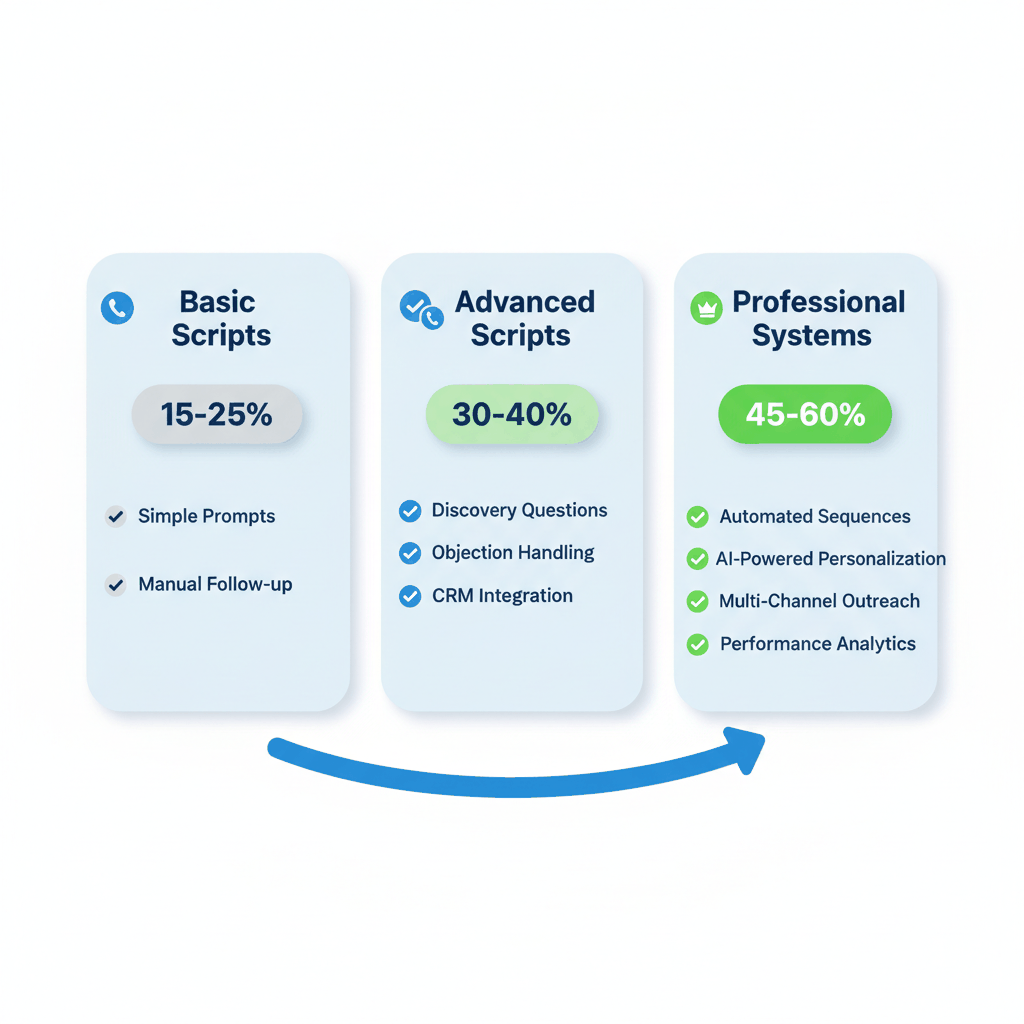
What You'll Learn
Your phone script makes or breaks your painting business. Most contractors lose jobs during the first conversation. They sound unsure or ask too many questions. Professional painters use proven scripts that build confidence from the first word.
Start every call with enthusiasm and energy. People can sense motivation over the phone. Nobody wants to book with someone who sounds tired. Use specific project details in your response. This shows you care about their unique situation.
For example: "Thanks for calling about your five-bedroom project! I'm excited to help you transform your home. Let me grab my calendar so we can schedule your custom estimate."
Notice how this script assumes the appointment. You don't ask if they want an estimate. You assume they're getting one and move straight to scheduling. This confidence helps you win more jobs.
Use their specific project details throughout the conversation. Say "your kitchen cabinet project" instead of "the job." This personal touch makes customers feel special. It shows you're not giving everyone the same generic response.
Ask targeted questions that demonstrate expertise. "Are you planning to paint just the cabinets or include the trim work too?" This positions you as the expert who understands their project needs.
Price objections kill more painting estimates than any other factor. The five words no contractor wants to hear: "Your price is too high." Smart painters prepare for this moment. They use price conditioning techniques that prevent objections before they happen.
Talk about price early and often during conversations. Don't treat pricing like a big secret. Most contractors hold pricing close to their chest. They cross their fingers and hope the number doesn't ruin everything.
Instead, condition customers for professional pricing upfront. Say something like: "Professional painting projects for homes like yours typically range from $3,000 to $8,000 depending on prep work and paint quality. I'll provide exact pricing after I see your specific needs."
This approach helps customers understand quality work costs more. It also eliminates bargain hunters who aren't serious about professional results.
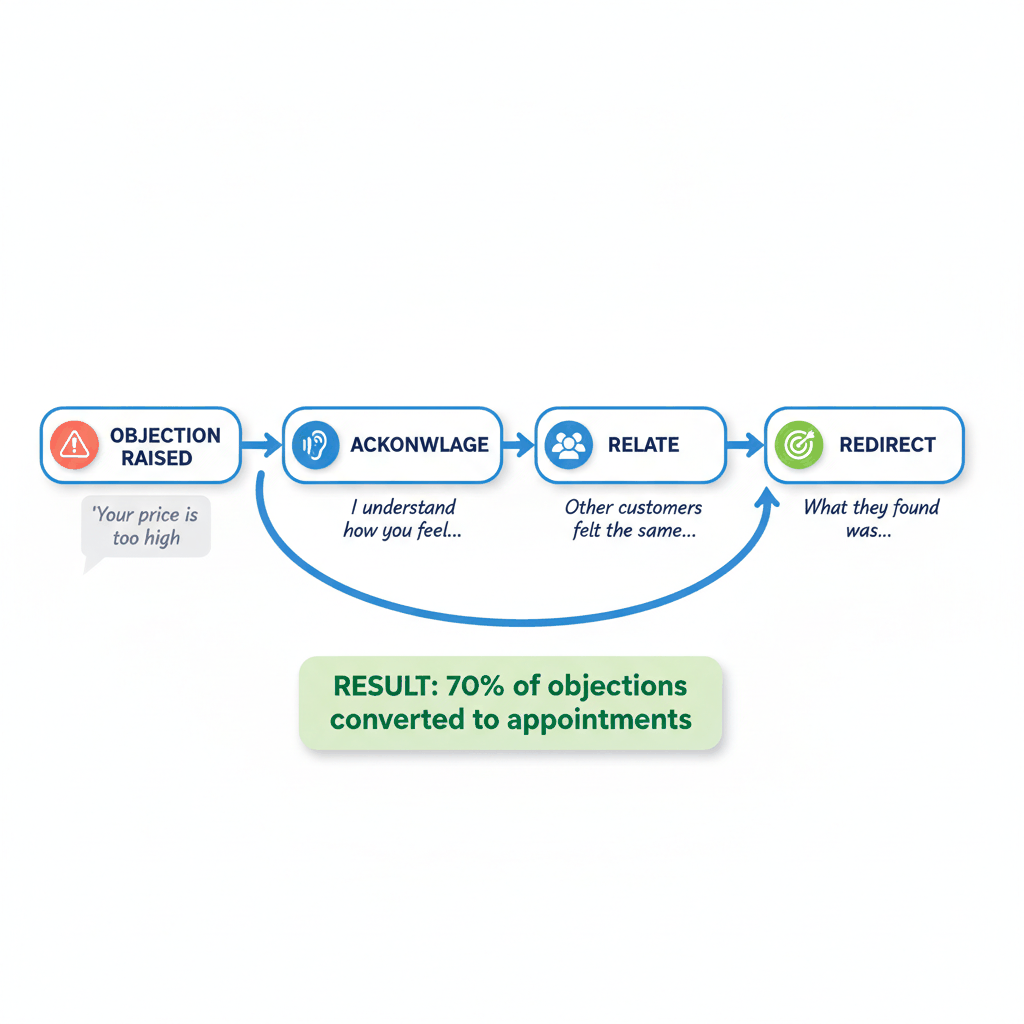
When customers object to pricing, use this proven technique. "I understand how you feel about the investment. Many of our best customers felt the same way initially. What they found was that quality work saves money long-term because it lasts longer."
This method acknowledges their concern without getting defensive. It positions other customers as smart buyers. Plus, it refocuses the conversation on value instead of price.
Compare your services directly to competitor offerings. Most customers don't understand the differences between painting contractors. They assume everyone does the same work for different prices.
Explain your process: "Our estimate includes premium Sherwin-Williams paint, full surface preparation, and a two-year warranty. Lower bids typically use contractor-grade paint with minimal prep work. The difference is how long your paint job will look beautiful."
Customers always get multiple quotes for painting projects. Smart contractors prepare for competitor comparisons. You need scripts that highlight your advantages without attacking other painters.
Focus on what customers receive for their investment. "When comparing estimates, ask each contractor about their prep work process. We sand, prime, and caulk every surface before applying two coats of premium paint. This extra preparation is why our paint jobs last 8-10 years instead of 3-5."
This approach educates customers about quality differences. It helps them understand why professional work costs more. Plus, it positions cheaper competitors as lower-quality options.
Emphasize your warranty and customer service advantages. Many painting contractors offer minimal guarantees. Professional companies stand behind their work with comprehensive warranties.
"We guarantee our work for two full years. If you notice any peeling, fading, or quality issues, we'll fix them at no charge. Most contractors only offer 30-60 day warranties because they're not confident in their work quality."
Most painting contractors give up too early on leads. They call once or twice and move on. Professional companies use systematic follow-up strategies that win jobs months later.
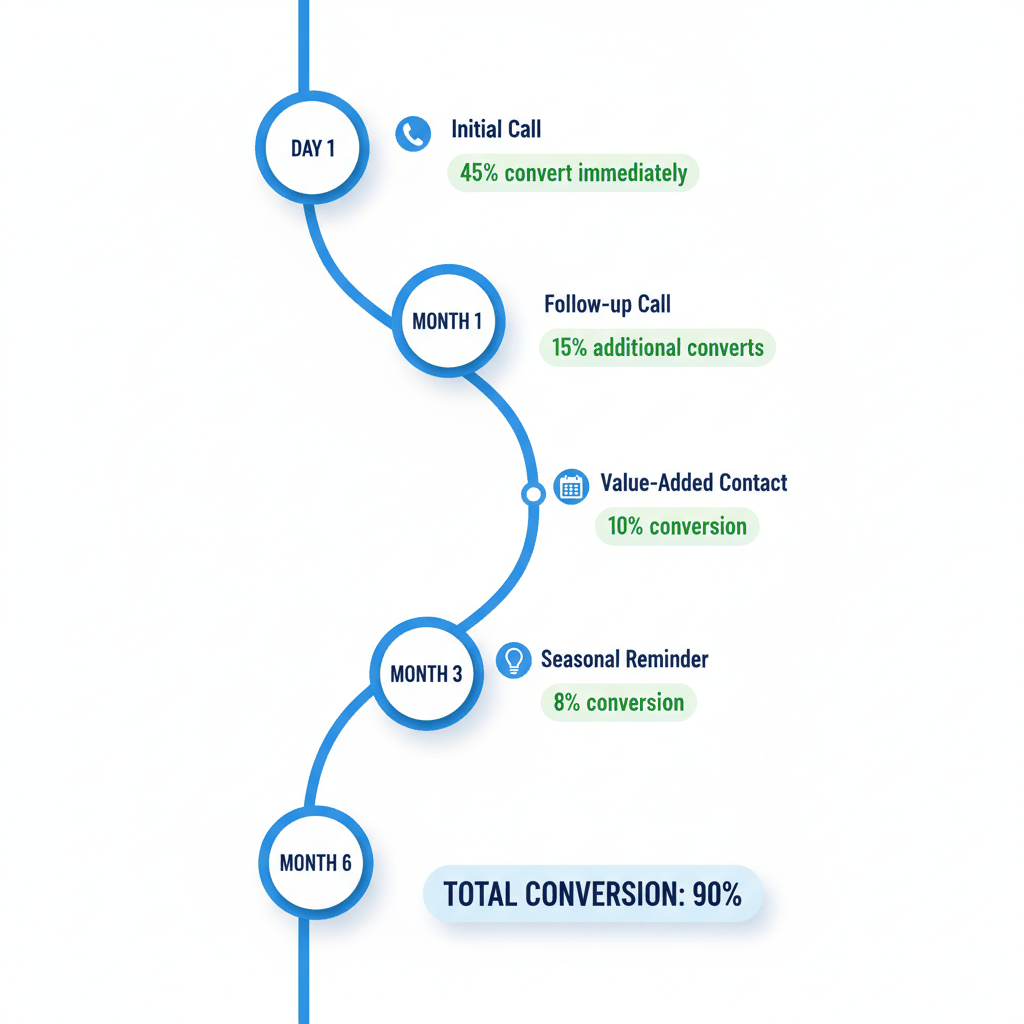
Many customers delay painting projects for months. They get busy with other priorities. If you're the only contractor still calling, you'll win the job when they're ready to proceed.
Create a follow-up schedule that contacts leads every 30-45 days. Use different reasons for each call: seasonal reminders, new service announcements, or helpful painting tips.
For example: "Hi Sarah, this is Mike from Premium Painting. Spring is perfect for exterior painting projects. Are you still planning to paint your home's exterior this year?"
Provide helpful information during follow-up calls. This positions you as the helpful expert instead of the pushy salesperson. Share seasonal painting tips, color trend updates, or maintenance advice.
Sometimes customers just need more time to make decisions. Consistent, helpful follow-up shows you want to earn their business. This approach converts more leads than aggressive sales tactics.
Modern painting contractors use technology to handle phone calls professionally. Advanced lead generation systems can transform your phone conversion rates and help you capture every opportunity.
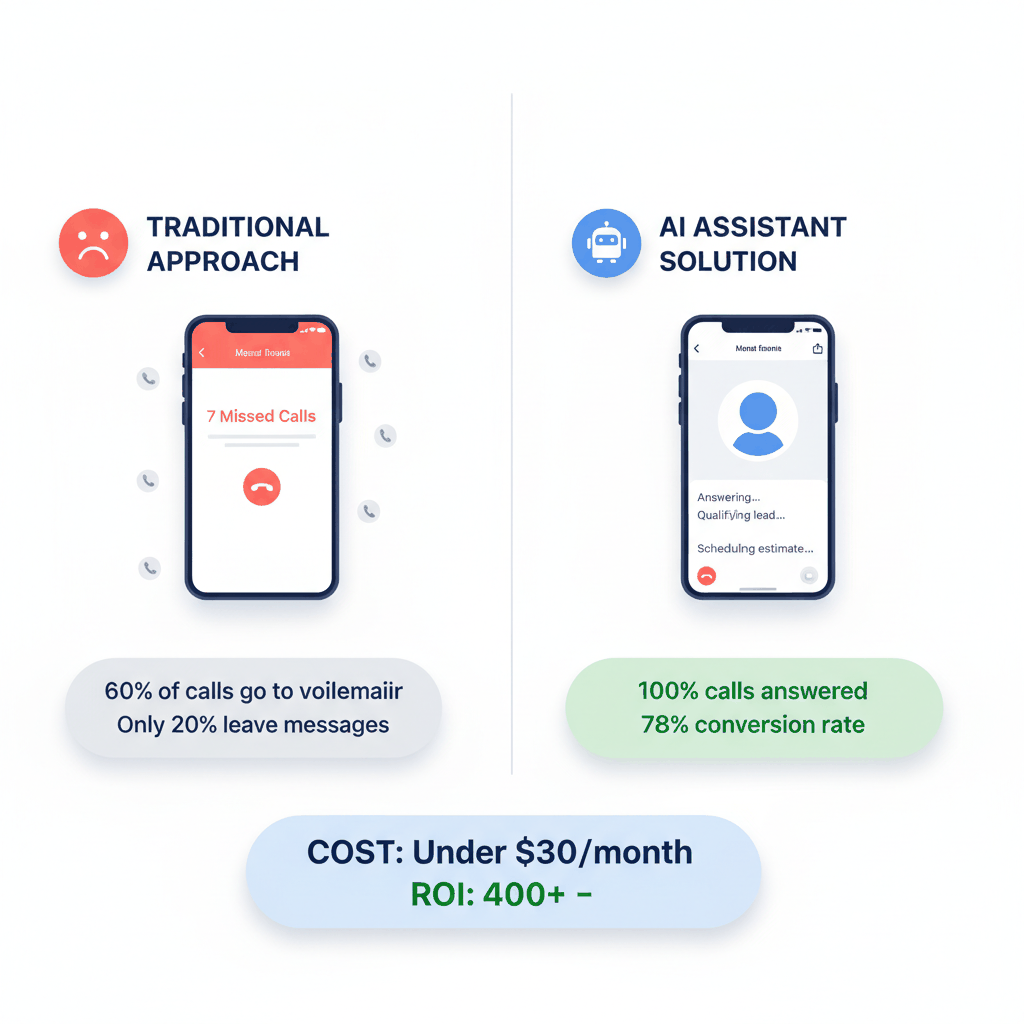
AI phone assistants answer every call instantly. They cost less than $30 per month. That's cheaper than hiring part-time help. These systems engage customers, qualify leads, and provide basic pricing information.
The best AI solutions ask the right estimate questions. They gather address, scope, timeline, and budget information. Then they send you a clean summary so you can respond between jobs.
This technology helps you win the "first-to-respond" race. Studies show that 80% of callers won't leave voicemails. AI assistants capture these leads automatically.
Customer relationship management systems track every lead interaction. They remind you when to follow up. Plus, they store conversation notes for future reference.
Modern CRM platforms integrate with estimating software. When you create an estimate, it automatically ties to the lead record. This integration eliminates manual data entry and prevents leads from falling through cracks.
Using a CRM can boost your sales by up to 29%. The organization helps you follow up consistently and close more jobs.
Track your phone conversion metrics to improve results. Most contractors guess at their performance. Smart businesses measure everything and optimize based on data.
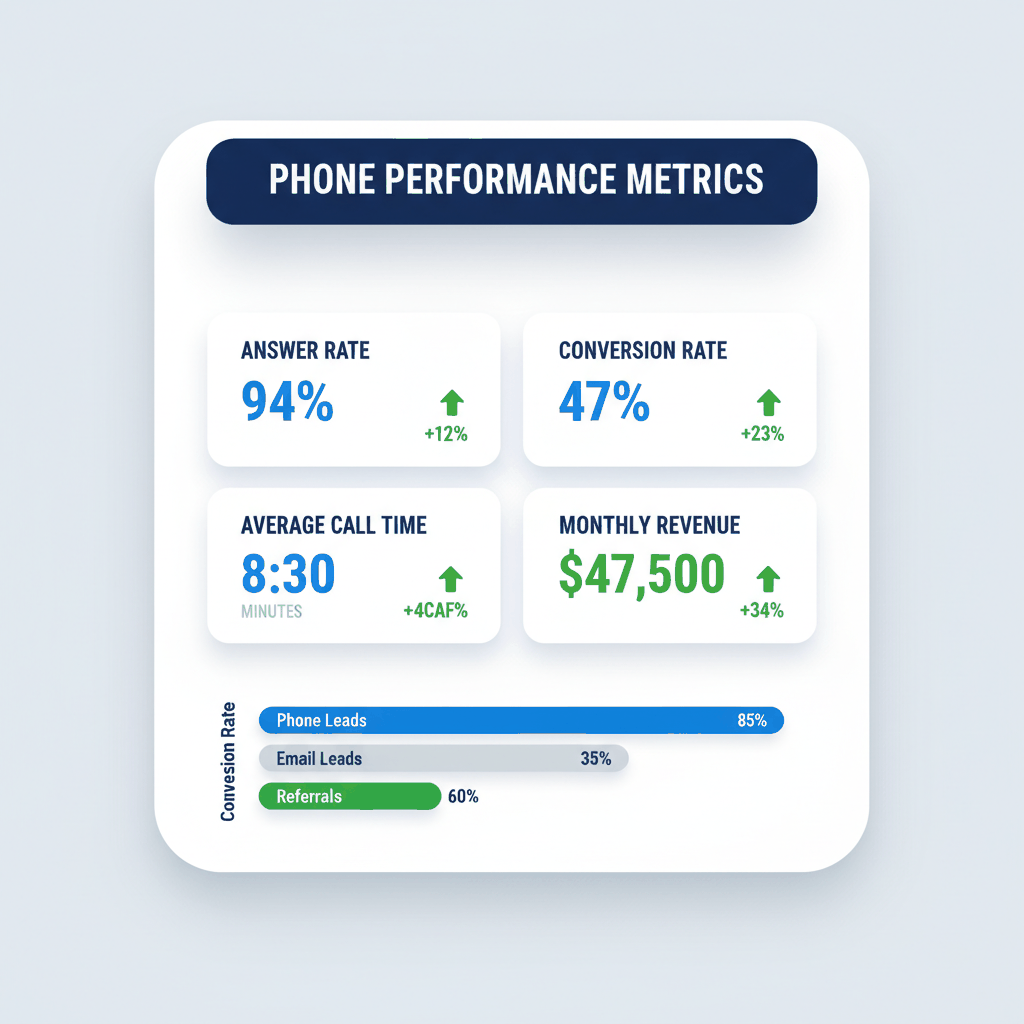
Monitor these critical phone metrics:
Call answer rate (aim for 90% or higher)
Phone-to-appointment conversion rate
Appointment-to-estimate conversion rate
Estimate-to-contract close rate
Average time from call to signed contract
Industry benchmarks show email estimates close at 15-20%. In-person presentations close at 40-50%. If your phone converts well but estimates don't close, focus on presentation skills.
Record phone calls for training purposes. Listen to successful conversations and failed opportunities. Identify patterns in your best-performing calls.
Practice objection handling regularly. Role-play common scenarios with team members. The more you practice, the more natural your responses become during real customer calls.
What's the best painting contractor phone script for handling price objections?
Use the feel-felt-found technique: "I understand how you feel about the investment. Many customers felt the same way initially. What they found was that quality preparation work makes paint jobs last 8-10 years instead of 3-5 years." This acknowledges concerns while focusing on long-term value.
How often should painters follow up with leads?
Follow up every 30-45 days with value-added content. Many customers delay painting projects for months but still complete them eventually. Consistent follow-up wins jobs when customers are ready to proceed with their projects.
What phone conversion rate should painting contractors expect?
Professional painting contractors achieve 40-50% phone-to-appointment conversion rates using proven scripts. Email estimates close at 15-20% while in-person presentations close at 40-50%. Focus on getting face-to-face meetings for projects over $3,000.
How can painters handle competitor price comparisons?
Focus on quality differences: "When comparing estimates, ask about prep work processes and paint quality. We use premium materials with comprehensive preparation because it makes paint jobs last longer. Lower prices typically mean shortcuts on preparation or materials."
What's the biggest mistake painters make on estimate calls?
Asking for permission to schedule instead of assuming the appointment. Say "Let me grab my calendar to schedule your estimate" instead of "Would you like me to come out for an estimate?" Confidence in your approach helps customers feel confident in your services.
Ready to get exclusive painting leads? Sign up for free with ResultCalls today!

Hello everyone! My name is Alex and I write these blogs to help educate small business owners on different ways to grow their business. My goal is to make lead generation as easy as possible for you. After reading these blogs, I hope you leave with some actionable steps that will get you closer to growing your business :)