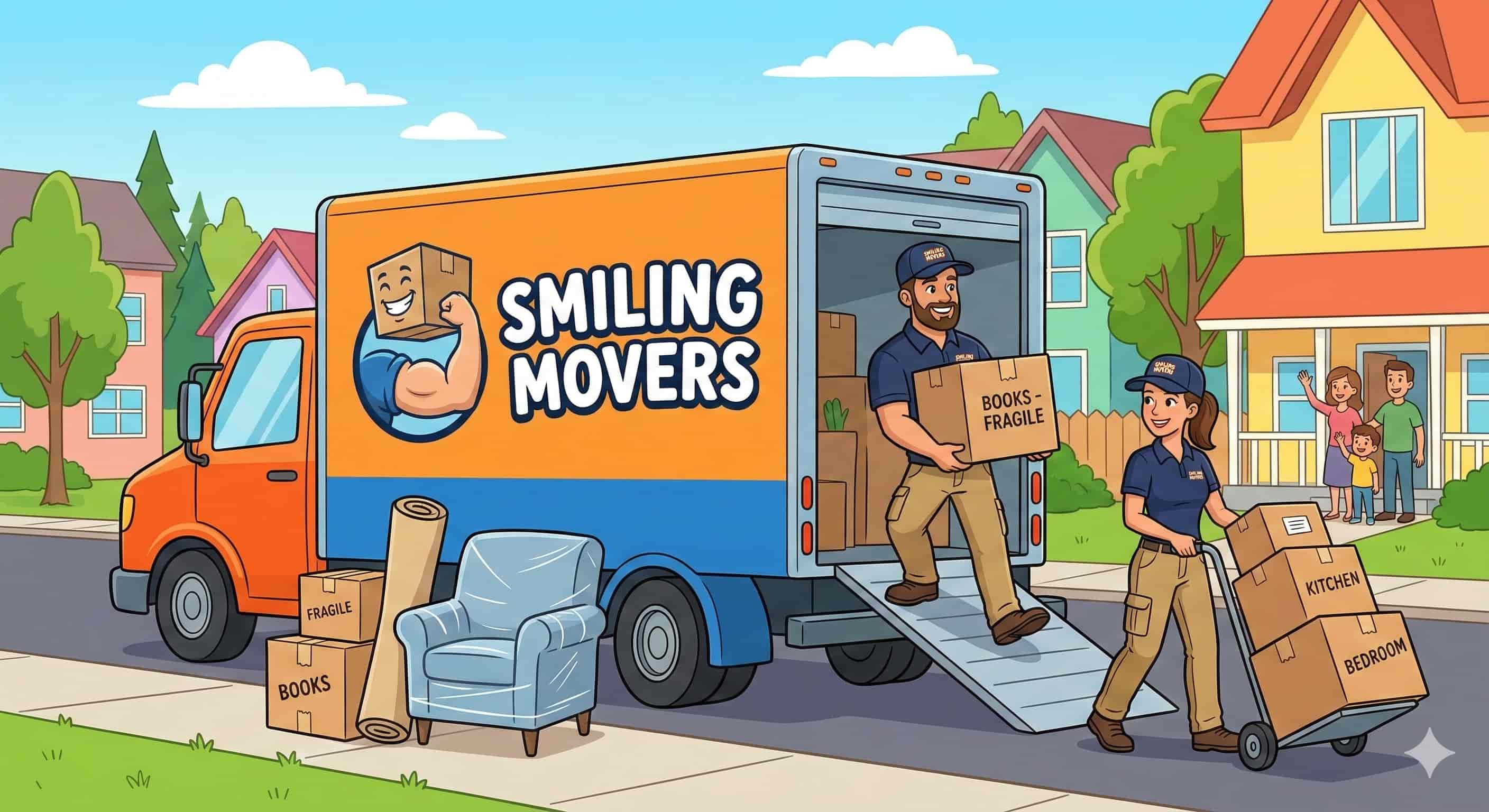
Here's the reality: 92% of consumers read reviews before choosing a moving company. If your reputation isn't managed properly, you're losing customers to competitors who understand this simple truth. Moving is already one of life's most stressful events. Poor reviews make it impossible for customers to trust you with their move.
The good news? Moving companies with strong reputation management systems see an 18% uplift in sales and a 30% increase in lead flow. This guide shows you exactly how to build that system.
You'll learn proven strategies for managing reviews, responding to negative feedback, and building the trust that drives word-of-mouth referrals. Plus, you'll discover the tools and processes that make reputation management simple and effective.
Moving companies face unique reputation challenges. Customers experience high stress during relocations. They're worried about damage, delays, and hidden costs. This makes them extra sensitive to any problems during their move.
The moving industry also battles trust issues. According to Moving.org data, 55% of customers felt scammed by their moving company. Rogue operators overcharge for services or hold belongings hostage. This creates suspicion toward all movers.
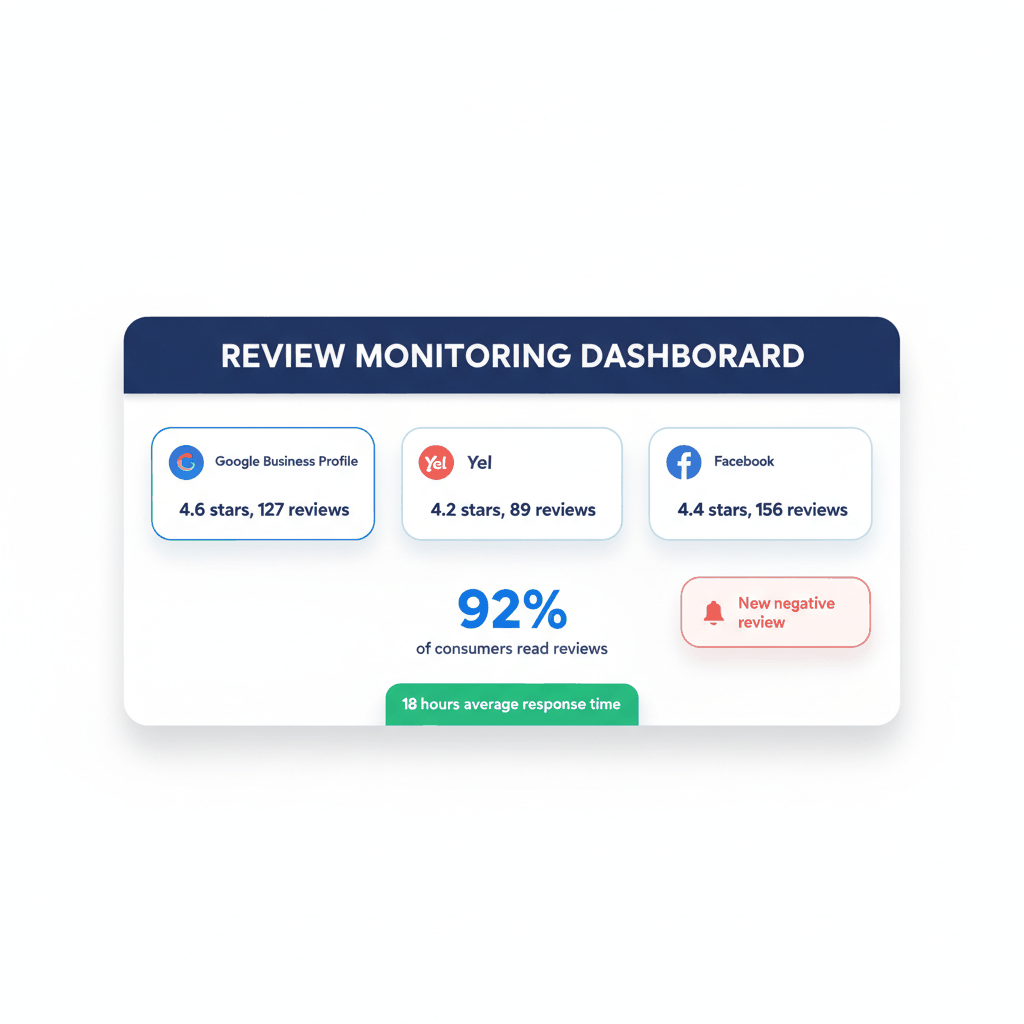
Today's customers expect lots of reviews before making decisions. Buyers aged 24-44 want to see an average of 150 reviews when comparing services. Most moving companies have fewer than 500 reviews total.
This puts smaller companies at a disadvantage. Customers see low review counts as red flags. They assume companies with few reviews are new, unreliable, or hiding something.
Here's a shocking statistic: 63% of customers say businesses never respond to their reviews. Yet 63% of customers expect responses within two days. Only 22% of moving companies use reputation management software to track and respond to reviews.
This creates massive opportunities for companies that respond quickly and professionally. Your responsiveness sets you apart from competitors who ignore customer feedback.
Remember that moving ranks among life's most stressful events. Dissatisfied customers tell 9 to 15 people about bad experiences. In the digital age, that means negative reviews, social media posts, and forum complaints that reach thousands.
The emotional intensity of moving makes reputation management even more critical. Small problems feel huge to stressed customers. Quick, empathetic responses can prevent minor issues from becoming reputation disasters.
Negative reviews will happen. The key is responding in ways that show professionalism and commitment to customer service. Done right, your response can actually improve your reputation.
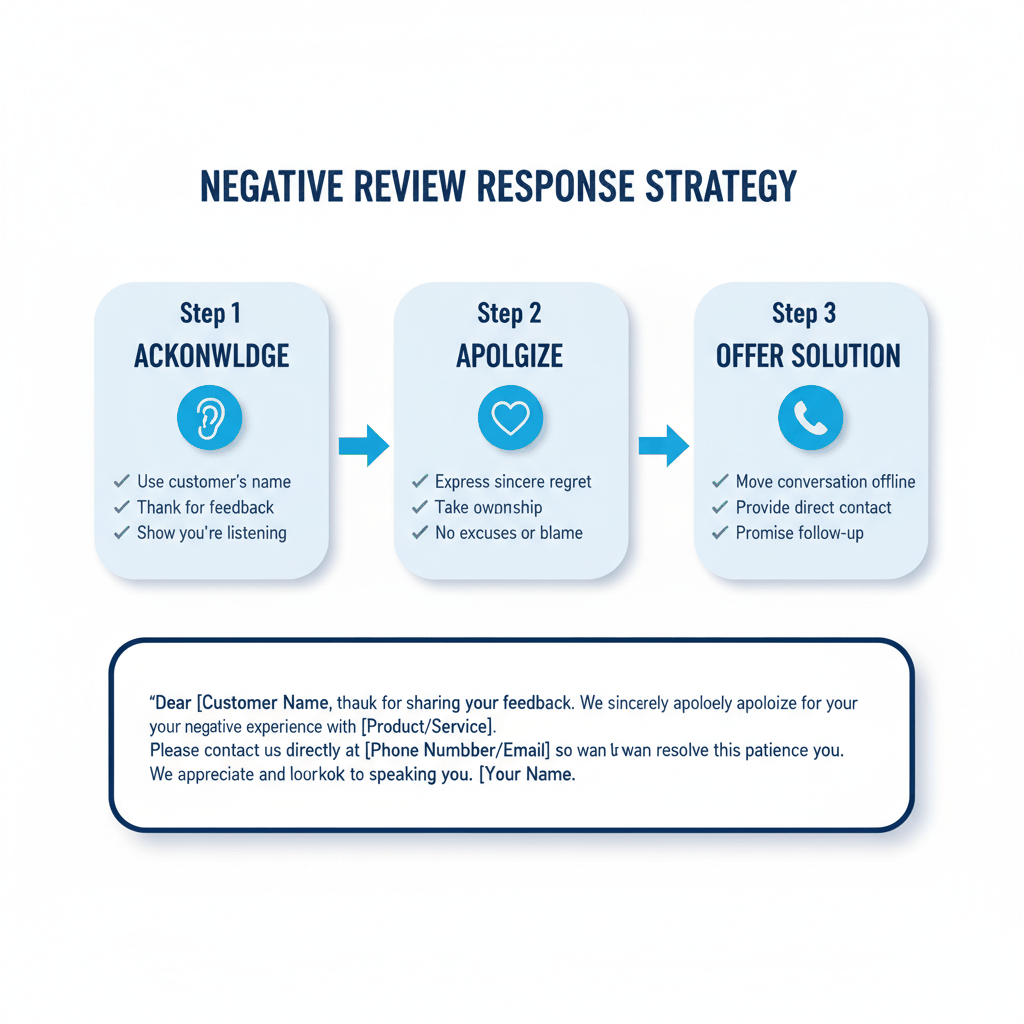
Every response should follow this pattern. Take ownership of any mistakes. Apologize sincerely for the customer's experience. Offer to discuss the issue privately. This shows other potential customers that you care about resolving problems.
Here's a proven response template:
"We're sorry to hear about your negative experience with our company. We value your feedback and would like to discuss this matter further with you. Please contact our customer service team at your earliest convenience."
For specific complaints, personalize your responses:
"Dear [customer's name], thank you for bringing this matter to our attention. We apologize for the inconvenience you experienced during your move and we would like to make things right. Please get in touch with our support team so we can resolve this issue promptly."
Notice how this response acknowledges the specific situation. It uses the customer's name. It offers concrete next steps for resolution.
Respond within 24 hours of any review posting. 53% of customers expect responses within seven days. Responding faster shows you're actively monitoring feedback.
Monitor reviews weekly at minimum. Set up Google alerts for your company name. Use reputation management tools to track reviews across multiple platforms automatically.
Never argue with reviewers publicly. Don't make excuses or blame customers. Avoid getting defensive about your company policies. These responses make you look unprofessional and drive away potential customers.
Instead, take conversations offline when possible. Offer phone calls or emails to resolve specific issues. This shows you're serious about customer satisfaction without airing problems publicly.
The best defense against negative reviews is generating lots of positive ones. Reviews from satisfied customers boast an average rating of 4.34 stars compared to 3.89 stars for unsolicited reviews.
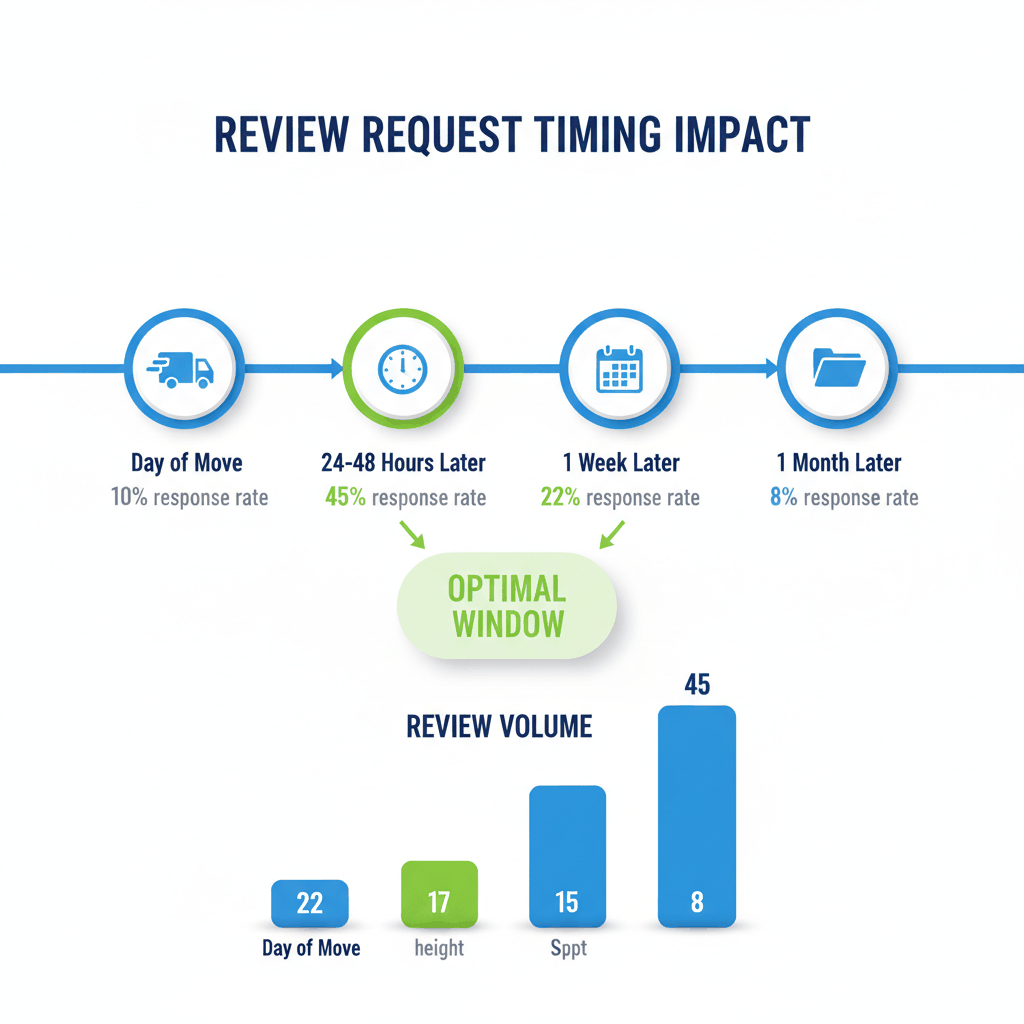
Local Muscle Movers increased their reviews from 80 to over 250 using automated review requests. They built a simple system that asks satisfied customers for feedback immediately after successful moves.
The key is timing. Ask for reviews while the positive experience is fresh. Send requests within 24-48 hours of job completion. Include direct links to your Google Business Profile and other review platforms.
Remove friction from the review process. Send direct links to review platforms. Provide clear instructions on how to leave reviews. Consider QR codes on business cards or service receipts.
Some companies offer small incentives for honest reviews. Be careful here - review platforms prohibit paying for positive reviews. Focus on making the process convenient rather than offering rewards.
Train moving crews to identify satisfied customers. Teach them to mention reviews naturally: "If you're happy with our service today, we'd appreciate a quick review online." This personal request works better than automated emails.
Your office staff should also know when and how to request reviews. During scheduling, payment processing, or follow-up calls, they can identify positive experiences and request feedback.
Create a systematic follow-up process. Call customers 2-3 days after their move. Ask about their experience and address any concerns. If they're satisfied, request a review during that conversation.
Email follow-ups work too, but phone calls feel more personal. Customers are more likely to leave reviews when asked directly by a human rather than an automated system.
Manual review management becomes impossible as your company grows. The right tools automate monitoring, responses, and review requests while providing valuable insights about customer satisfaction.
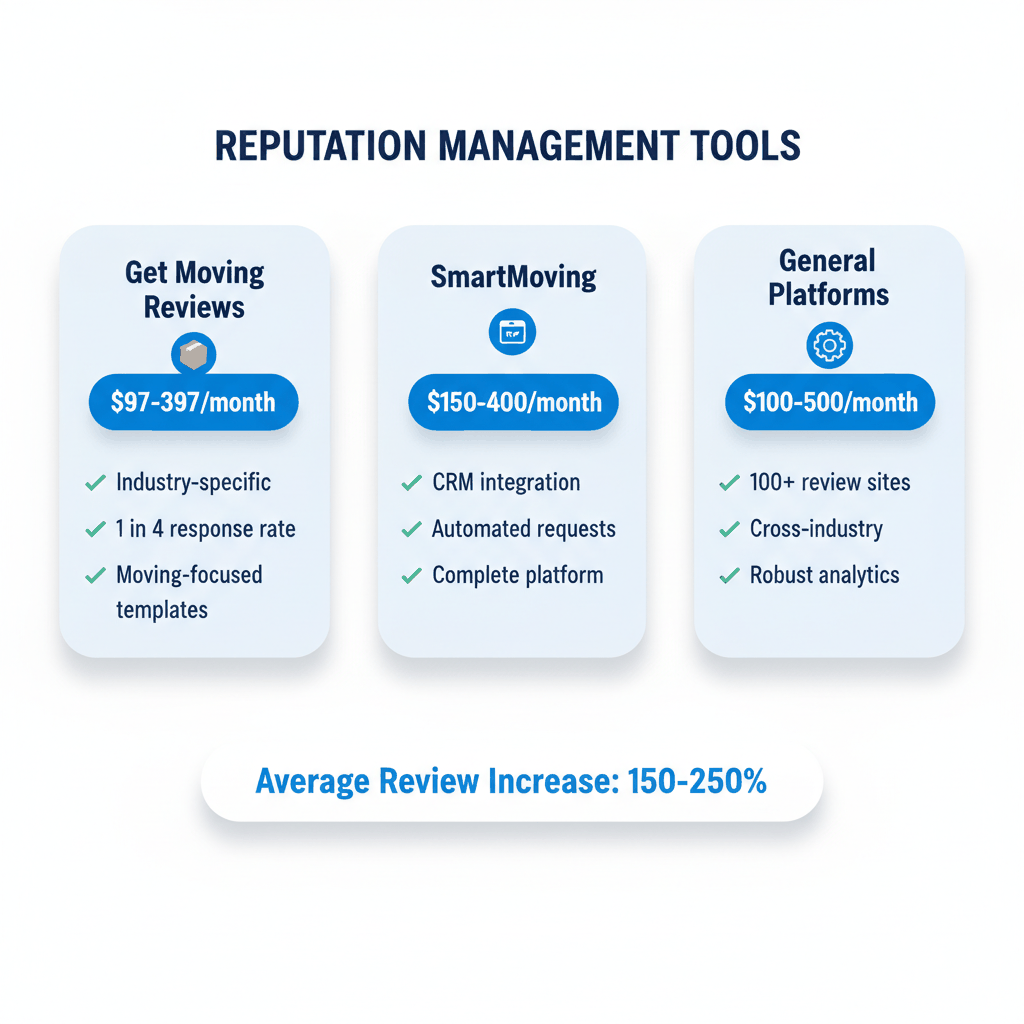
Get Moving Reviews is designed specifically for moving companies. Their platform helps collect, manage, and promote customer reviews. On average, their clients receive reviews from 1 out of every 4 customers.
They offer two pricing tiers. GMR Lite costs $97 monthly. GMR Pro costs $397 monthly. The Pro version includes advanced automation and multi-platform management.
SmartMoving's reputation management tool integrates with their complete moving software platform. It streamlines review management across multiple platforms while handling business listings and social media content.
This integration advantage means review requests automatically send after job completion in their system. Customer data flows seamlessly between operations and marketing.
Tools like Birdeye, Podium, and Reviewshake work across industries. They offer robust features for monitoring mentions, managing reviews, and tracking reputation metrics. These platforms typically cost $100-500 monthly depending on features.
Thrive Agency's reputation management software consolidates feedback from over 100 review sites. Their platform includes automated review requests and flexible data management.
Choose tools that integrate with your existing CRM and scheduling software. Look for automated review requests, multi-platform monitoring, and response management features. The easier the setup process, the faster you'll see results.
Also consider reporting features. Good reputation management tools show trends in customer satisfaction, response times, and review volume over time. This data helps identify operational issues before they become reputation problems.
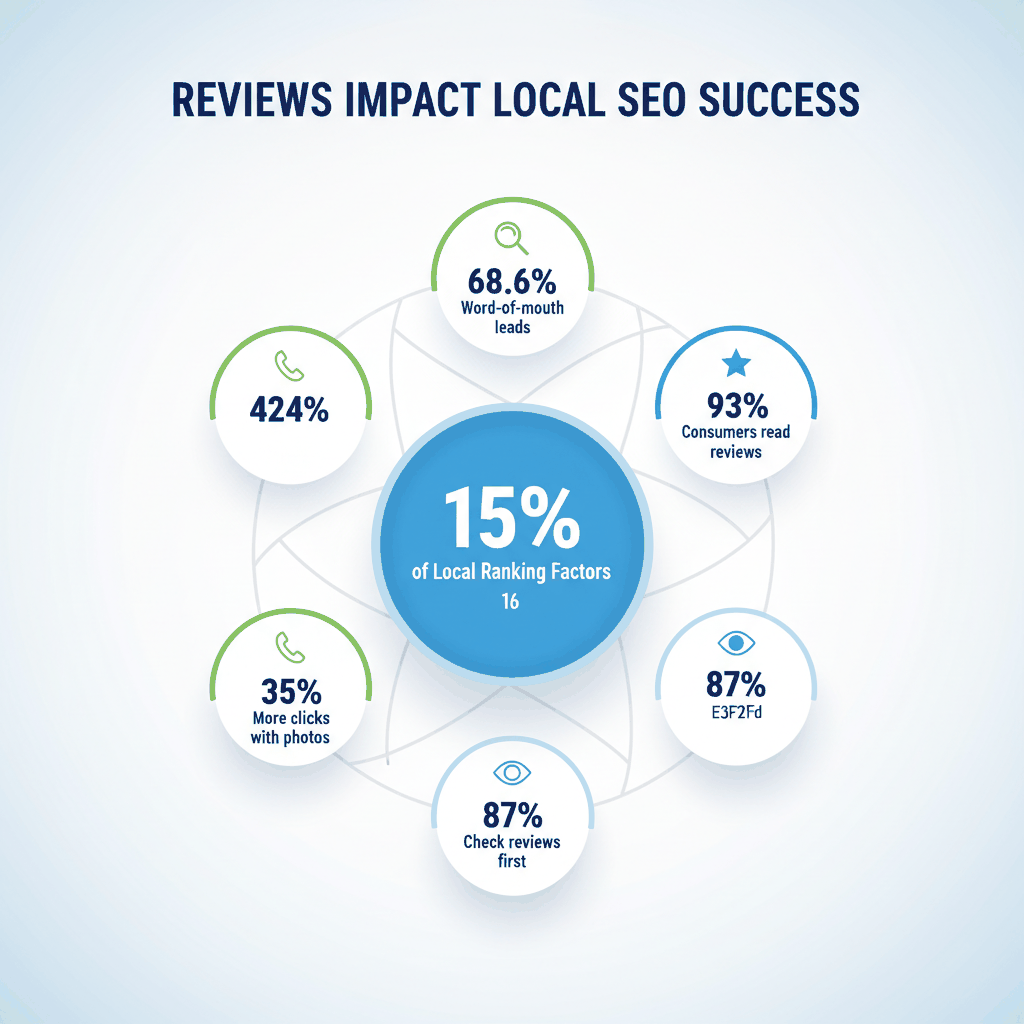
Online reviews directly impact your search rankings. A 2019 study by Moz showed that 15% of local ranking factors depend on online reviews. For moving companies, this means more reviews equal more visibility.
Your Google Business Profile is crucial for local search success. Positive reviews help you appear in the "local pack" - the top 3 results for searches like "moving companies near me." The more positive reviews you accumulate, the higher you rank.
Photos also matter for your profile. Google profiles with photos receive 35% more clicks than those without. Images grab attention faster than text-only listings.
Customer reviews naturally contain local keywords and service descriptions. When customers write about their "Denver apartment move" or "office relocation in Phoenix," those keywords help your local search rankings.
Encourage customers to mention specific services and locations in their reviews. This happens naturally when you provide great service, but you can guide the process by asking specific questions about their experience.
According to moving industry surveys, 68.6% of companies say word-of-mouth drives their highest-quality leads. Online reviews amplify word-of-mouth recommendations by making them visible to thousands of potential customers.
Referrals rank second for lead quality. Most other marketing channels, including social media, produce lower-quality leads. This makes reputation management one of your most important marketing investments.
Modern customer behavior heavily favors businesses with strong online reputations. 93% of consumers say online reviews influence their buying decisions. For local businesses like moving companies, this percentage is even higher.
87% of consumers read online reviews for local businesses before making contact. They're researching your reputation before ever calling for quotes. Poor reviews eliminate you from consideration entirely.
Ready to transform your moving company's reputation and attract more high-quality leads? Contact ResultCalls today to get pay per call moving leads.
Respond within 24 hours of any review posting. Quick responses show you actively monitor customer feedback and care about resolving issues. This responsiveness impresses potential customers who read your reviews.
Ask satisfied customers directly within 24-48 hours of job completion. Use automated systems to send review requests with direct links to Google Business Profile and other platforms. Train your crew to identify happy customers and mention reviews naturally.
Yes, especially for companies handling 50+ moves monthly. Reputation management tools automate review monitoring and requests while providing valuable customer satisfaction insights. The time savings and increased review volume typically justify the cost.
Online reviews represent 15% of Google's local ranking factors. More positive reviews help you appear in the local pack for searches like "movers near me." Customer reviews also contain natural local keywords that boost your search visibility.
Never argue with reviewers publicly or make excuses for poor service. Avoid getting defensive about company policies. Instead, acknowledge their concerns, apologize sincerely, and offer to discuss the issue privately through phone or email.

Hello everyone! My name is Alex and I write these blogs to help educate small business owners on different ways to grow their business. My goal is to make lead generation as easy as possible for you. After reading these blogs, I hope you leave with some actionable steps that will get you closer to growing your business :)